 Lawrence Gray
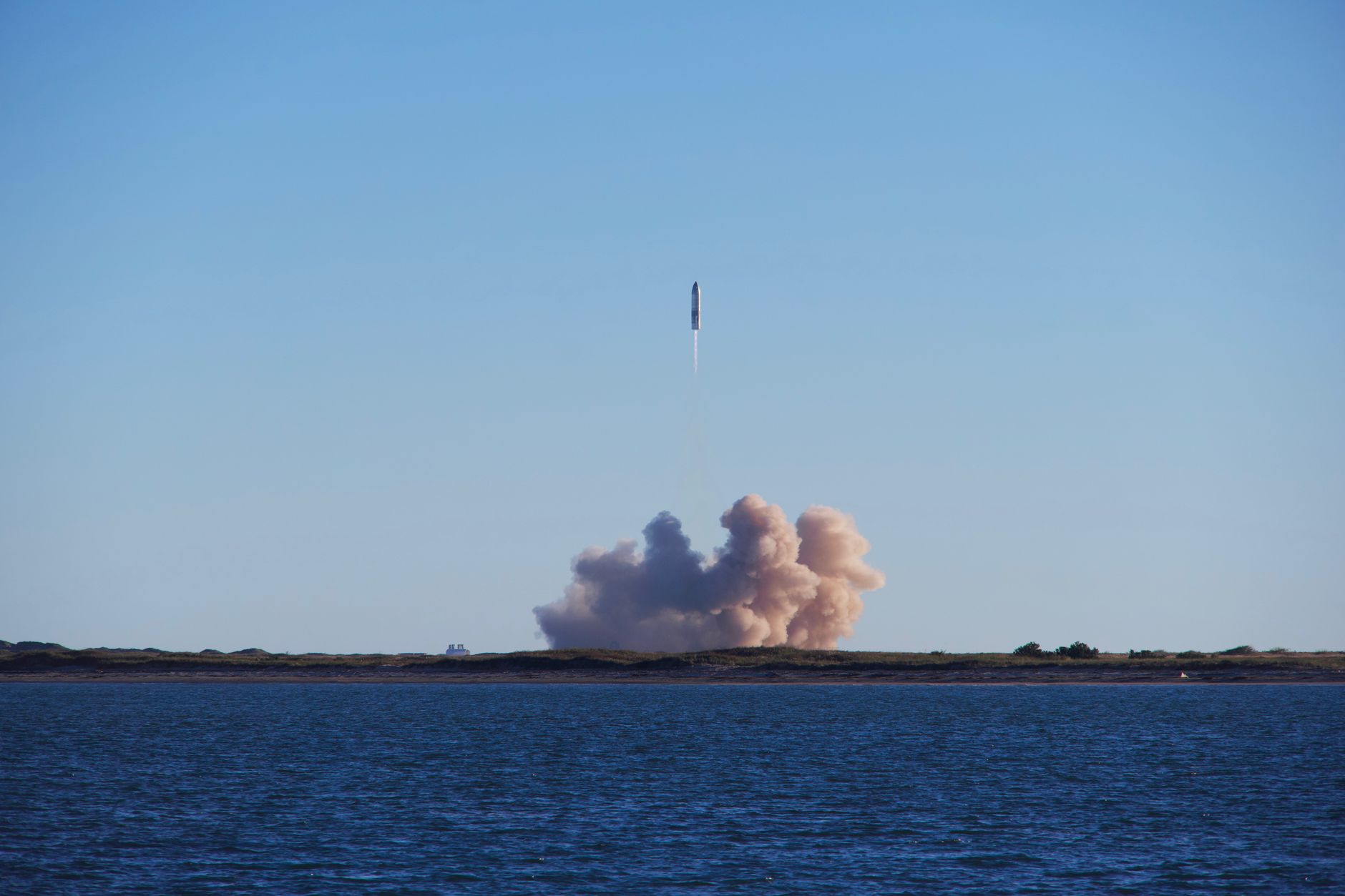
Vulcan rocket launch failure has left many wondering about the future of ULA’s space missions. This recent incident involved the unsuccessful launch of 40 Amazon satellites into orbit.
What happened during the Vulcan rocket launch?
During the recent launch of the Vulcan rocket, a significant failure occurred that prevented the successful deployment of 40 Amazon satellites into orbit. The mission, which was highly anticipated, aimed to enhance broadband services globally through Amazon’s Project Kuiper.
Initial reports indicate that the Vulcan rocket experienced issues shortly after liftoff. Specific details about the technical malfunction have yet to be disclosed, leaving industry experts and space enthusiasts puzzled about what went wrong.
This failure marks a setback for United Launch Alliance (ULA), a joint venture of Boeing and Lockheed Martin, as it was the inaugural flight for the Vulcan rocket, designed to be a more powerful and cost-effective option in the commercial launch market.
With this incident, ULA faces increasing scrutiny regarding the reliability of its new technology. The company has vowed to conduct a thorough investigation to determine the root cause of the Vulcan rocket launch failure and to implement necessary improvements for future missions.
As the situation develops, stakeholders await further updates on the implications for Amazon’s satellite deployment timeline.
Impact of the launch failure on ULA
The recent Vulcan rocket launch failure has significant implications for United Launch Alliance (ULA), a major player in the aerospace industry. This setback comes as ULA aims to regain its competitive edge in the satellite launch market, which has become increasingly crowded with new entrants.
In the wake of the launch failure, ULA faces several challenges:
- Financial Impact: The failed launch not only results in the loss of the 40 Amazon satellites but may also lead to financial repercussions through penalties and loss of future contracts.
- Reputation Damage: ULA’s reliability has been a key selling point. This incident could erode client confidence and deter potential customers from choosing ULA for their launch needs.
- Delays in Upcoming Missions: The investigation into the failure will likely delay subsequent launches, affecting ULA’s schedule and commitments to other clients.
As ULA works to address these issues, the company must prioritize rebuilding trust and ensuring the reliability of its future launches.
Reactions from the aerospace community
The recent Vulcan rocket launch failure has sparked a wave of reactions from experts and enthusiasts within the aerospace community. Many industry professionals expressed their disappointment, highlighting the challenges faced by United Launch Alliance (ULA) as they strive to innovate in a competitive market.
“Failures are part of the journey in aerospace,” noted Dr. Emily Foster, a leading aerospace engineer. “What’s important is how we learn from these setbacks.” This sentiment was echoed by several others, emphasizing the need for thorough investigation and analysis.
In addition, some critics pointed out that the launch failure raises questions about ULA’s ability to compete with emerging private companies that have successfully executed multiple launches. “The Vulcan rocket was supposed to be a game changer,” said analyst Tom Reed. “This incident could affect ULA’s reputation and future contracts.”
Despite the setback, many in the community remain optimistic. “The aerospace industry is resilient. I am confident ULA will bounce back,” stated Sarah Kim, a project manager at a competing firm.
As investigations continue, the focus will be on understanding the root causes of the Vulcan rocket launch failure.
Future plans for the Vulcan rocket
The recent Vulcan rocket launch failure has prompted United Launch Alliance (ULA) to reassess its plans moving forward. Despite this setback, ULA remains committed to advancing the Vulcan program.
In the wake of the failure, ULA has outlined several key steps to address the issues encountered during the launch:
- Thorough Investigation: ULA is conducting a comprehensive review of the launch sequence and rocket systems to identify the root causes of the failure.
- Design Improvements: Based on findings, engineers will implement necessary modifications to enhance the rocket’s reliability and performance.
- Revised Launch Schedule: ULA plans to adjust its timeline for future launches, ensuring that all systems are thoroughly tested before proceeding.
- Continued Partnerships: ULA aims to maintain collaboration with key stakeholders, including Amazon, to reassure clients and ensure future missions are successful.
As ULA works to rectify the challenges presented by the Vulcan rocket launch failure, the aerospace community will be watching closely for updates and progress.
Comparing Vulcan with other rockets
The recent Vulcan rocket launch failure has prompted comparisons with other prominent rockets in the industry. Understanding these differences is crucial for evaluating the future of ULA’s launch capabilities.
Here are some noteworthy comparisons:
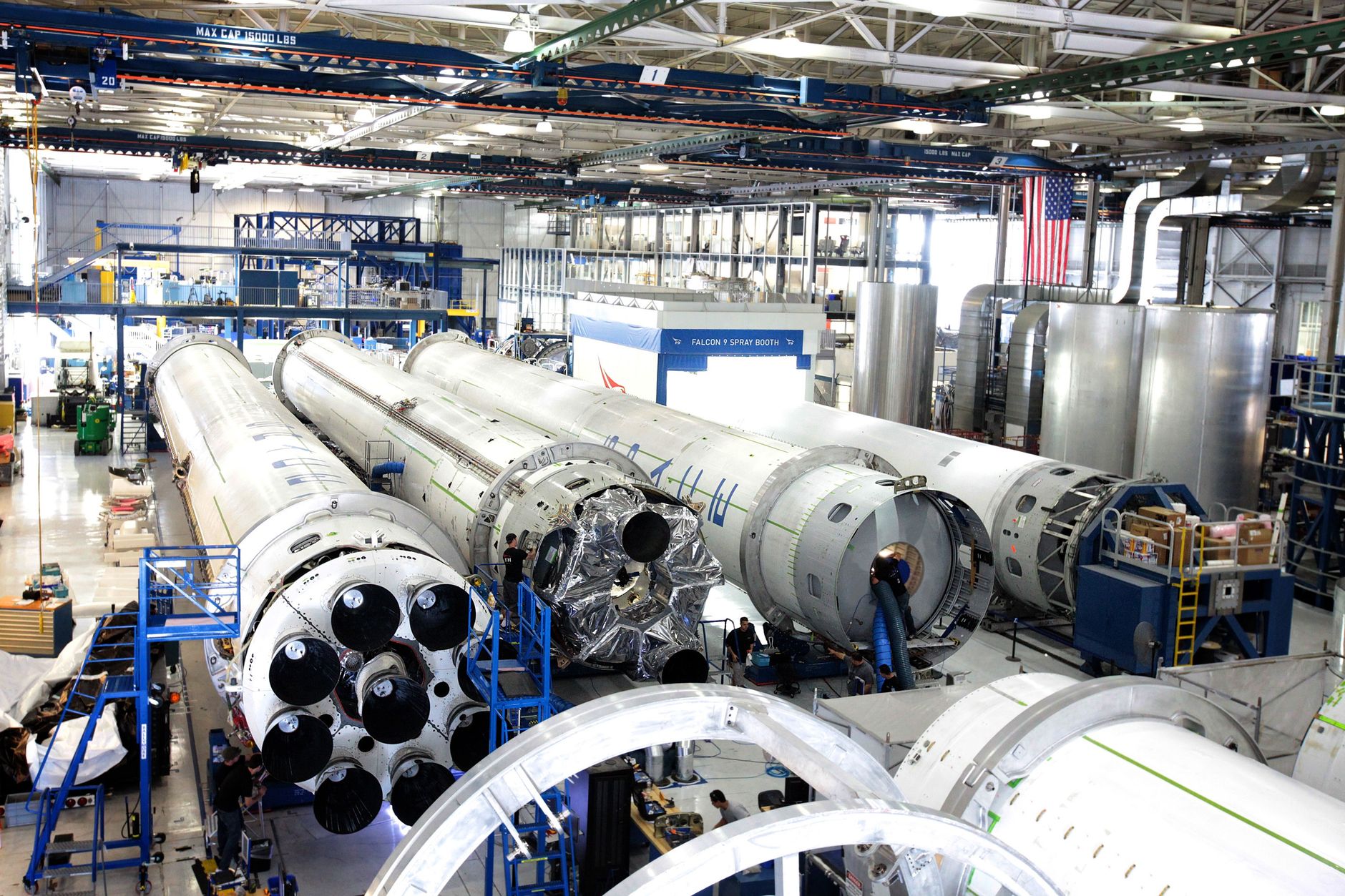
- Falcon 9: Developed by SpaceX, the Falcon 9 rocket has achieved a remarkable success rate, with numerous re-flights and a proven track record for launching payloads, including large satellite constellations.
- Ariane 5: Known for its reliability, the Ariane 5 has launched a variety of missions since its introduction, maintaining a high success rate and a reputation for handling complex payloads.
- Atlas V: Also a ULA product, the Atlas V has been a workhorse for national security and commercial missions, showcasing its versatility and dependability.
In contrast, the Vulcan rocket’s recent failure raises questions about its design and operational readiness. While it aims to compete with these established rockets, the challenges faced during its inaugural launch will be critical in shaping its future trajectory.
Lessons learned from the launch failure
The recent Vulcan rocket launch failure has highlighted several critical lessons for United Launch Alliance (ULA) and the aerospace industry as a whole. Understanding these lessons is essential for improving future missions and ensuring greater reliability.
- Importance of Testing: One of the primary takeaways is the necessity for rigorous testing protocols. Comprehensive pre-launch checks can help identify potential issues that may arise during the launch.
- Data Analysis: Analyzing data from past launches, including failures, can provide valuable insights. This can aid engineers in predicting and mitigating risks associated with new rocket designs.
- Collaboration: Enhanced collaboration between teams working on different components of the rocket is crucial. Ensuring that everyone is on the same page can prevent miscommunications that may lead to failures.
- Public Communication: ULA must improve its communication strategy with stakeholders and the public. Transparency in discussing failures can build trust and foster a supportive environment for future endeavors.
Ultimately, the Vulcan rocket launch failure serves as a reminder of the challenges inherent in space exploration and the continuous need for innovation and improvement.
Next steps for ULA and Amazon
In the wake of the Vulcan rocket launch failure, both United Launch Alliance (ULA) and Amazon are reassessing their strategies moving forward. The unsuccessful attempt to deploy 40 satellites into orbit has prompted ULA to conduct a thorough investigation into the technical issues that led to the launch’s premature termination.
ULA has announced that a dedicated team will be assembled to analyze the data and pinpoint the specific causes of the failure. This effort is crucial, as it will not only influence future Vulcan launches but also ensure that safety and reliability are prioritized in upcoming missions.
Meanwhile, Amazon is expected to adjust its satellite deployment timeline, which was heavily reliant on the Vulcan rocket’s success. The company aims to maintain its satellite constellation project, but may need to explore alternative launch options or partners in the interim.
Both organizations are committed to learning from the Vulcan rocket launch failure, with plans to enhance their technologies and processes to prevent similar setbacks in the future.
Photo by Forest Katsch on Pexels
Read the original
Related stories
llama.cpp version 1.0.0: The Best Update for Developers · Boeing Lockheed Martin rocket launch fails: Worst disaster yet · Nike NG360 App: The Best Tool for Golf Enthusiasts