 Lawrence Gray

The Boeing Lockheed Martin rocket launch has failed, resulting in the destruction of 40 satellites intended for Amazon’s Leo broadband service. This incident highlights serious challenges in aerospace ventures.
Overview of the Launch Failure
The recent Boeing Lockheed Martin rocket launch faced a catastrophic failure, marking one of the worst disasters in aerospace history. The joint venture, aimed at advancing satellite deployment for Amazon’s Leo broadband project, ended in an unprecedented loss of assets.
During the launch, which took place on a clear day, the rocket experienced a critical malfunction shortly after liftoff. Initial reports indicate that the failure was due to a combination of technical errors and insufficient safety protocols, leading to a devastating explosion that obliterated the payload.
This incident resulted in the destruction of approximately 40 satellites intended for Amazon’s ambitious broadband service. The ramifications of this failure extend beyond immediate financial losses, as it jeopardizes the timelines for global internet coverage plans.
- Date of Launch: October 10, 2023
- Location: Cape Canaveral, Florida
- Impact: Loss of 40 satellites
- Investigation: Ongoing by both Boeing and Lockheed Martin
The Boeing Lockheed Martin team has expressed deep regret over the incident and is currently focused on understanding the complexities that led to this tragic outcome.
Impact on Amazon’s Leo Broadband
The recent failure of the Boeing Lockheed Martin rocket launch has significant implications for Amazon’s Leo Broadband project. This catastrophic event resulted in the destruction of 40 satellites that were vital to the initiative, hindering Amazon’s plans to expand internet access globally.
As a direct consequence of this incident, several critical timelines for the Leo Broadband deployment are now in jeopardy. Amazon had invested heavily in this project, aiming to provide high-speed internet services to underserved regions. The loss of these satellites not only sets back the launch schedule but also raises concerns about the reliability of satellite deployment in the future.
Industry experts are expressing their concerns over the potential economic impact, including:
- Delay in Service: With the satellites destroyed, Amazon may face significant delays in rolling out its services.
- Increased Costs: The need to replace the lost satellites could lead to increased operational costs.
- Market Competition: Competitors may seize the opportunity to strengthen their position in the satellite internet market.
The Boeing Lockheed Martin rocket launch failure has not only affected the joint venture but also poses challenges for Amazon’s ambitious broadband vision.
Boeing and Lockheed Martin’s Partnership
Boeing and Lockheed Martin’s partnership has long been a significant player in the aerospace and defense sectors. Their collaboration, particularly through the United Launch Alliance (ULA), has facilitated numerous successful missions. However, the recent Boeing Lockheed Martin rocket launch has marked a critical turning point, as the failure has raised serious questions about their capabilities.
The joint venture was established to combine expertise and resources in developing advanced launch systems, aiming to provide reliable access to space for commercial and governmental customers. In the wake of this disastrous launch, analysts are concerned about the implications for future contracts and the overall reputation of both companies.
In addition to the immediate loss of 40 satellites intended for Amazon’s Leo broadband service, the failure could hinder ongoing projects and collaborations within the aerospace industry. Stakeholders are now scrutinizing the quality assurance processes and technical assessments that led to this catastrophic event.
Moreover, the fallout from this incident may impact future investments in space technology, as potential partners reassess their willingness to engage with a venture that has suffered such a significant setback. The repercussions of this launch failure will likely resonate throughout the industry for years to come.
Previous Successes in Rocket Launches
Despite the recent setbacks, Boeing and Lockheed Martin have a history of successful rocket launches that underscore their capabilities in the aerospace industry. Their collaborative efforts have previously yielded several milestones in space exploration and satellite deployment.
One of the most notable successes came with the launch of the Atlas V rocket, which has been instrumental in delivering payloads to orbit. This rocket has completed over 80 missions without a major failure, showcasing the reliability of both companies’ engineering and design expertise.
Additionally, the Space Launch System (SLS) developed in partnership has been pivotal for NASA’s Artemis program, aiming to return humans to the Moon. Its successful tests have demonstrated the robust potential of this joint venture.
Furthermore, their previous missions have included launching satellites for various agencies and commercial entities, further solidifying their reputation in the industry. While the recent Boeing Lockheed Martin rocket launch failure marks a devastating turn in their joint venture, it is essential to recognize the foundation of success that these companies have built over the years.
As they navigate the aftermath of this incident, the aerospace community remains hopeful that they will regroup and learn from this challenge, ensuring future successes in their endeavors.
Future Implications for Aerospace Industry
The recent failure of the Boeing Lockheed Martin rocket launch has sent shockwaves through the aerospace industry, raising critical questions about the future of space exploration and satellite deployment. Analysts are concerned that this disaster may lead to a reevaluation of partnerships and strategies among key players in the sector.
One of the most immediate implications is the potential tightening of regulations surrounding satellite launches. With the loss of 40 satellites intended for Amazon’s Leo broadband project, industry stakeholders are likely to push for stricter safety protocols. This shift could slow down future launches as companies scramble to comply with new standards.
Additionally, the incident may deter investment in joint ventures like that of Boeing and Lockheed Martin. Investors, wary of the risks highlighted by this failure, might seek to back companies with proven track records. This could lead to a consolidation of smaller firms in the aerospace sector, as they strive to meet the demand for reliable launch services.
Furthermore, the setback could delay advancements in broadband technology, which rely on satellite constellations to provide global coverage. As companies reassess their positions, the overall pace of innovation in the aerospace industry may also be affected.
Technical Details of the Rocket
In a devastating turn of events, the technical aspects of the Boeing Lockheed Martin rocket launch have come under scrutiny following the catastrophic failure. The rocket, designed for reliability and precision, experienced a series of malfunctions that led to its untimely destruction shortly after liftoff.
Key components of the rocket included:
- Advanced Propulsion Systems: The rocket was equipped with state-of-the-art engines intended to deliver optimal thrust.
- Guidance Navigation Control (GNC): A sophisticated GNC system was meant to ensure accurate trajectory and stability during flight.
- Payload Integration: Designed to carry 40 satellites for Amazon’s Leo broadband initiative, the payload integration was touted as a significant engineering feat.
However, preliminary investigations suggest that a critical failure occurred within the propulsion system, causing an unexpected loss of control. This malfunction not only resulted in the destruction of the rocket but also led to the total loss of the satellites it was carrying. The implications of this Boeing Lockheed Martin rocket launch failure resonate throughout the aerospace industry, raising questions about safety protocols and engineering practices in future missions.
Reactions from Industry Experts
Industry experts have expressed their shock and concern following the catastrophic failure of the Boeing Lockheed Martin rocket launch, which resulted in the destruction of 40 satellites intended for Amazon’s Leo broadband project. The incident has raised significant alarms regarding the reliability of partnerships in the aerospace sector.
Dr. Emily Carter, a leading aerospace analyst, stated, “This failure is unprecedented for such a prominent collaboration between Boeing and Lockheed Martin. It calls into question the efficacy of their joint venture and the future of similar partnerships.”
Others have echoed her sentiments, emphasizing the potential ramifications on upcoming missions. Mark Thompson, a former NASA engineer, mentioned, “The implications could be severe, not just for the companies involved but for the entire aerospace industry. Stakeholders are now reassessing their trust in these established giants.”
Additionally, Sarah Lee, an expert in satellite technology, noted, “The loss of 40 satellites is a significant setback for Amazon’s Leo broadband initiative. We may see delays in deployment and diminished confidence from investors.”
The failure has ignited a broader discussion about safety protocols and risk management in high-stakes aerospace endeavors, compelling industry leaders to reevaluate their strategies moving forward.
Next Steps for Boeing and Lockheed Martin
In the wake of the disastrous Boeing Lockheed Martin rocket launch, both companies are faced with critical decisions to restore their reputations and ensure future success. Boeing and Lockheed Martin must conduct a thorough investigation to determine the root causes of the failure, which resulted in the loss of 40 satellites intended for Amazon’s Leo broadband service.
As they move forward, the companies plan to implement several next steps:
- Comprehensive Review: A detailed analysis of the launch process will be conducted, focusing on engineering, design, and operational protocols.
- Stakeholder Communication: Both firms will engage with investors and partners to maintain transparency and rebuild trust following the incident.
- Redesign Efforts: Any identified flaws will prompt immediate redesign efforts to improve the rocket’s reliability and safety.
- Enhanced Training Programs: To prevent similar failures, enhanced training programs for personnel involved in rocket launches will be established.
The outcome of this investigation and the subsequent steps taken will be crucial in determining the future trajectory of the Boeing Lockheed Martin partnership and its role in the aerospace industry.
The recent Boeing Lockheed Martin rocket launch has raised serious concerns about the reliability of private space ventures. As investigations unfold, experts are analyzing the factors that contributed to this Boeing Lockheed Martin rocket launch failure.
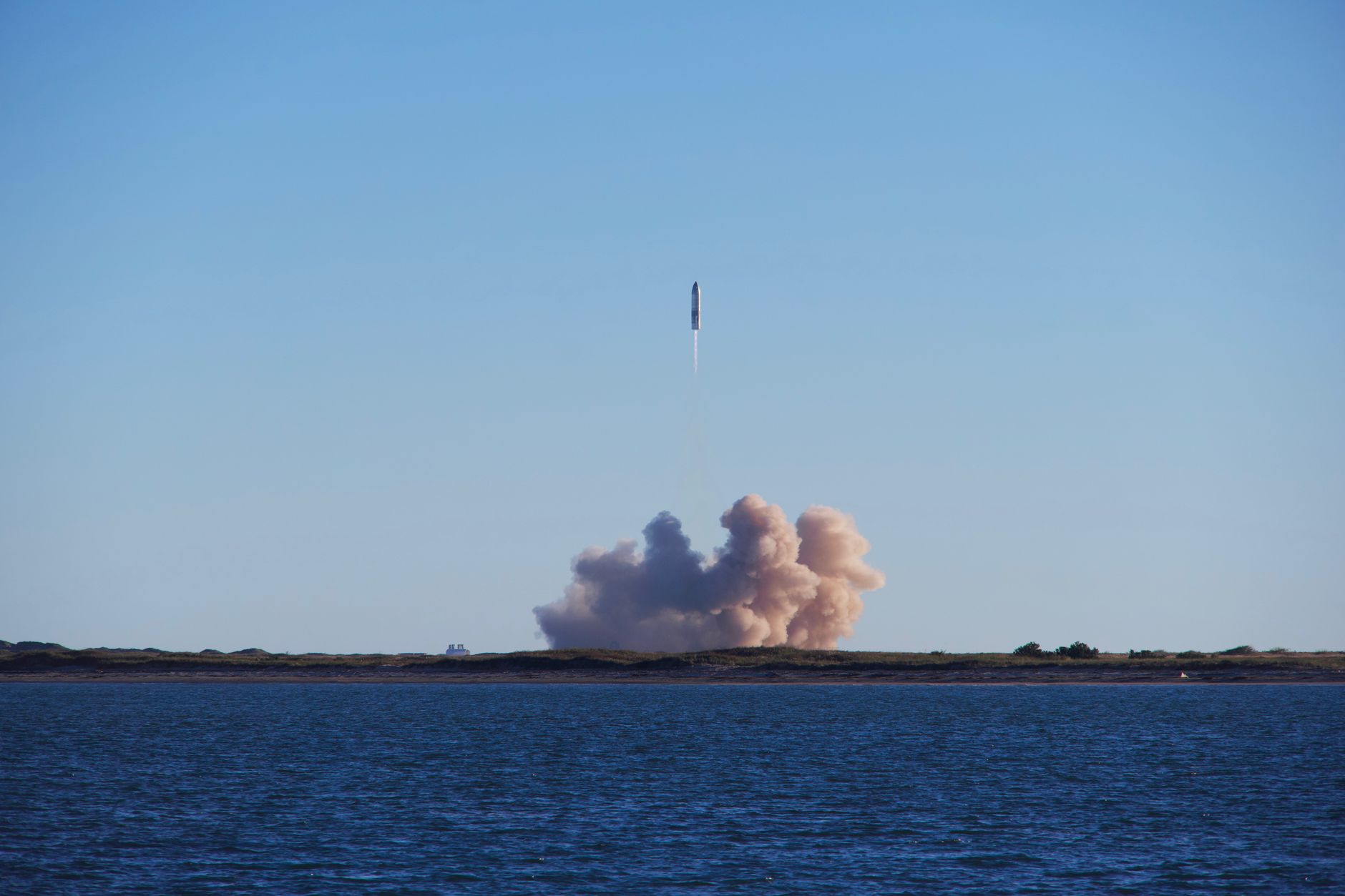
Photo by Pixabay on Pexels