 Lawrence Gray
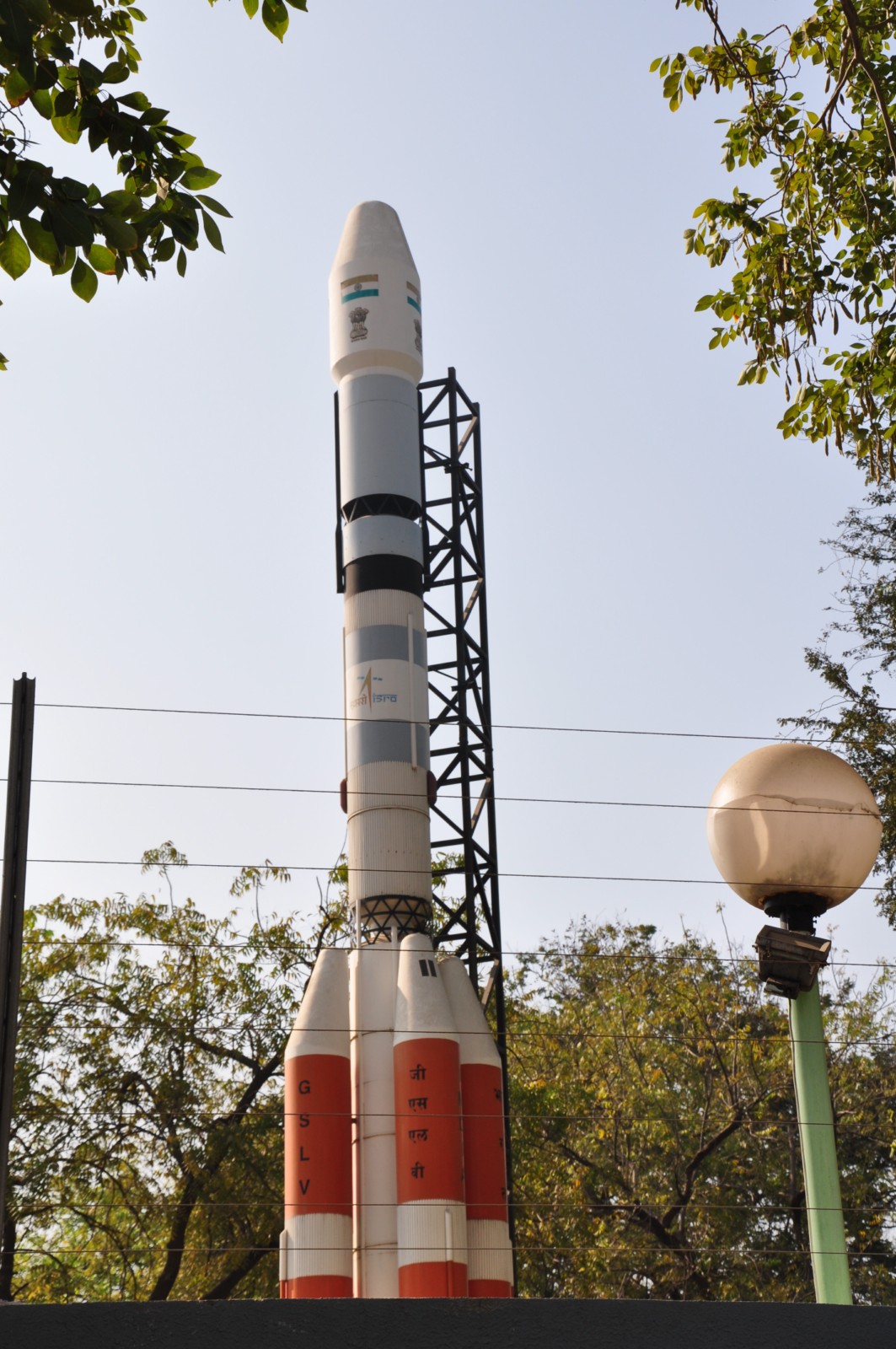
ISRO GSLV rocket has successfully placed the NVS-03 satellite into its designated orbit, marking another milestone for India’s space program. Prime Minister Modi has expressed his support and pride in this achievement.
Overview of ISRO’s GSLV Rocket
The Indian Space Research Organisation (ISRO) has made significant strides in the realm of space exploration with its GSLV rocket. This launch vehicle is designed specifically to place heavier satellites into geosynchronous orbits, showcasing India’s growing capabilities in space technology.
The GSLV, or Geosynchronous Satellite Launch Vehicle, has undergone numerous enhancements since its inception, becoming a reliable choice for launching various spacecraft. Some key features include:
- Payload Capacity: The GSLV can carry payloads of up to 2,500 kilograms to geostationary transfer orbit (GTO).
- Versatility: It supports a range of missions, from launching communication satellites to scientific exploration missions.
- Indigenous Technology: The rocket utilizes advanced technology developed in India, demonstrating self-reliance in the aerospace sector.
Recent missions have further solidified the reputation of the GSLV rocket. Following its latest success in placing the NVS-03 satellite into orbit, Prime Minister Modi commended ISRO’s relentless pursuit of excellence. This achievement not only underscores the rocket’s reliability but also emphasizes India’s ambitions in the global space arena.
Significance of NVS-03 Satellite
The successful launch of the NVS-03 satellite showcases the significance of the GSLV rocket in enhancing India’s capabilities in satellite navigation and communication systems. This satellite is part of the NavIC (Navigation with Indian Constellation) program, which aims to provide accurate positioning services to users in India and the surrounding region.
With the integration of the NVS-03 satellite, the Indian Space Research Organisation (ISRO) strengthens its commitment to developing indigenous navigation systems. The features of the NVS-03 satellite include:
- Improved Accuracy: The satellite enhances the precision of navigational signals, benefiting various sectors such as transportation, agriculture, and disaster management.
- Regional Coverage: It extends the operational range of the NavIC system, providing reliable service across India and neighboring countries.
- Advanced Technology: The NVS-03 incorporates cutting-edge technology, which ensures better resilience and performance under varying conditions.
In conclusion, the GSLV rocket has proven to be a vital asset for India’s space endeavors, particularly with the launch of the NVS-03 satellite. This mission not only reflects ISRO’s technological prowess but also its unwavering dedication to bolstering national security and economic growth through enhanced satellite capabilities.
PM Modi’s Reaction to the Launch
Following the successful launch of the NVS-03 satellite, Prime Minister Narendra Modi expressed his enthusiasm and pride in India’s advancements in space technology, particularly highlighting the role of the ISRO GSLV rocket. In a social media post, he stated, “This achievement showcases our growing capabilities in space exploration and communication.”
Modi emphasized the significance of the GSLV rocket as a reliable launch vehicle, noting that it has become a cornerstone for India’s ambitions in the aerospace sector. He remarked on the dedication and hard work of the scientists and engineers at ISRO, stating, “Their relentless pursuit of excellence is paving the way for a brighter future in space.”
The Prime Minister also pointed out the importance of the NVS-03 satellite in enhancing navigation services across the country and the potential benefits it brings to various sectors, including agriculture, transportation, and disaster management. He added, “This mission is not just a technical achievement but a step towards empowering our citizens with advanced technology.”
In his closing remarks, Modi encouraged more innovations from ISRO, asserting that the nation must continue to push boundaries and inspire future generations.
Future of Indian Space Missions
The future of Indian space missions looks promising, especially with the advancements in the ISRO GSLV rocket. As India continues to assert its presence in the global space arena, the GSLV rocket’s capabilities will be pivotal in facilitating various upcoming projects.
ISRO has ambitious plans that include:
- Human Spaceflight Program: The GSLV rocket is expected to play a crucial role in launching crewed missions, showcasing India’s growing prowess in human space exploration.
- Interplanetary Missions: Future missions to Mars and beyond will rely on the GSLV’s ability to launch heavier payloads, making it a vital asset for deep space exploration.
- Satellite Deployment: With increasing demand for communication, navigation, and Earth observation satellites, the GSLV rocket will be essential for ensuring that ISRO meets both national and international needs.
- International Collaborations: The reliability of the ISRO GSLV rocket may attract more collaborative projects with other space agencies, enhancing India’s role in global space initiatives.
As ISRO continues to innovate and improve the GSLV rocket’s technology, the future of Indian space missions appears brighter than ever, paving the way for significant advancements in the coming years.
Technical Details of GSLV Rocket
The GSLV rocket, developed by the Indian Space Research Organisation (ISRO), showcases a series of advanced technical features that enhance its launch capabilities. This vehicle is specifically designed to deliver heavier payloads into geosynchronous transfer orbits, making it a key player in India’s space endeavors.
One of the standout features of the GSLV is its three-stage launch vehicle system. This system comprises:
- Solid Rocket Booster: Provides the initial thrust needed to lift the rocket off the ground.
- Liquid Core Stage: Utilizes a combination of liquid fuel and oxidizer, offering higher efficiency and controllability during ascent.
- Upper Stage: Equipped with a cryogenic engine, this stage allows the rocket to place payloads into precise orbits with reduced fuel consumption.
The GSLV’s cryogenic technology represents a significant advancement in propulsion systems, enabling ISRO to launch heavier satellites with greater reliability. Each successful mission strengthens the credibility of the GSLV rocket as a proven launch system, playing a vital role in India’s ambitions to expand its presence in space exploration.
The ISRO GSLV rocket has consistently demonstrated its reliability and capability in launching various payloads into orbit. As the space industry evolves, the ISRO GSLV rocket remains a key player in India’s ambitions for space exploration and satellite deployment.
By Kalyan Shah via Openverse
References
Navigation satellite launch: GSLV’s proven success with NVS-03 · Vodafone Idea prepaid plans: Best voice-only options revealed · TAITO MILESTONES 5: The Best Proven Features for Gamers