 Lawrence Gray
ISRO GSLV-F18 launch marks a significant milestone for India’s NavIC system. The successful deployment of the NVS-03 satellite enhances navigation capabilities across the nation.
Overview of the GSLV-F18 mission
The recent ISRO GSLV-F18 launch marks a significant achievement in India’s space endeavors, particularly in enhancing the Navigation with Indian Constellation (NavIC) system. This mission successfully deployed the NVS-03 satellite, which is critical for providing accurate positioning services across the country and surrounding regions.
Launched from the Satish Dhawan Space Centre, the GSLV-F18 rocket has demonstrated its reliability and effectiveness in delivering payloads to geosynchronous orbits. The NVS-03 satellite, equipped with advanced atomic clocks and enhanced features, is set to improve the performance of the NavIC system, which is designed to offer precise navigational data to users.
The successful execution of this mission not only showcases ISRO’s growing capabilities in satellite technology but also reinforces India’s commitment to developing its own navigation systems. As the nation continues to expand its presence in space, the GSLV-F18 launch represents another step forward in achieving self-reliance in satellite-based navigation solutions.
Importance of the NVS-03 satellite
The NVS-03 satellite plays a crucial role in enhancing the capabilities of India’s Navigation with Indian Constellation (NavIC) system. As the latest addition to the NavIC fleet, it is designed to provide accurate positioning services to users across the Indian region and beyond.
This satellite is equipped with advanced features that improve its operational efficiency and service quality. The NVS-03 is expected to replace older satellites, ensuring the longevity and reliability of the NavIC system.
Key benefits of the NVS-03 satellite include:
- Enhanced Accuracy: It offers improved precision in positioning, critical for various applications such as transportation and disaster management.
- Increased Coverage: The satellite extends the coverage area, making NavIC services accessible to a wider audience.
- Robust Infrastructure: Its successful deployment aboard the ISRO GSLV-F18 launch signifies a strong infrastructure for satellite navigation.
Overall, the NVS-03 satellite is a testament to India’s commitment to advancing its satellite navigation capabilities.
How the launch strengthens NavIC
The successful launch of the GSLV-F18 by ISRO represents a significant advancement for India’s Navigation with Indian Constellation (NavIC) system. This mission not only exemplifies ISRO’s technical prowess but also enhances the reliability and coverage of NavIC services.
The NVS-03 satellite, carried by the GSLV-F18, is designed to provide precise location information to users across India and surrounding regions. This capability is crucial for various applications, including:
- Transportation: Improving navigation for land, air, and sea vehicles.
- Agriculture: Assisting farmers in precision farming techniques.
- Disaster Management: Enhancing response strategies during emergencies.
Furthermore, the enhanced signal strength and accuracy from the NVS-03 satellite will significantly benefit industries relying on geographic information systems. Ultimately, ISRO’s GSLV-F18 launch solidifies India’s commitment to establishing a robust and independent navigation system, reinforcing the strategic importance of NavIC on a global scale.
Key features of the GSLV-F18 rocket
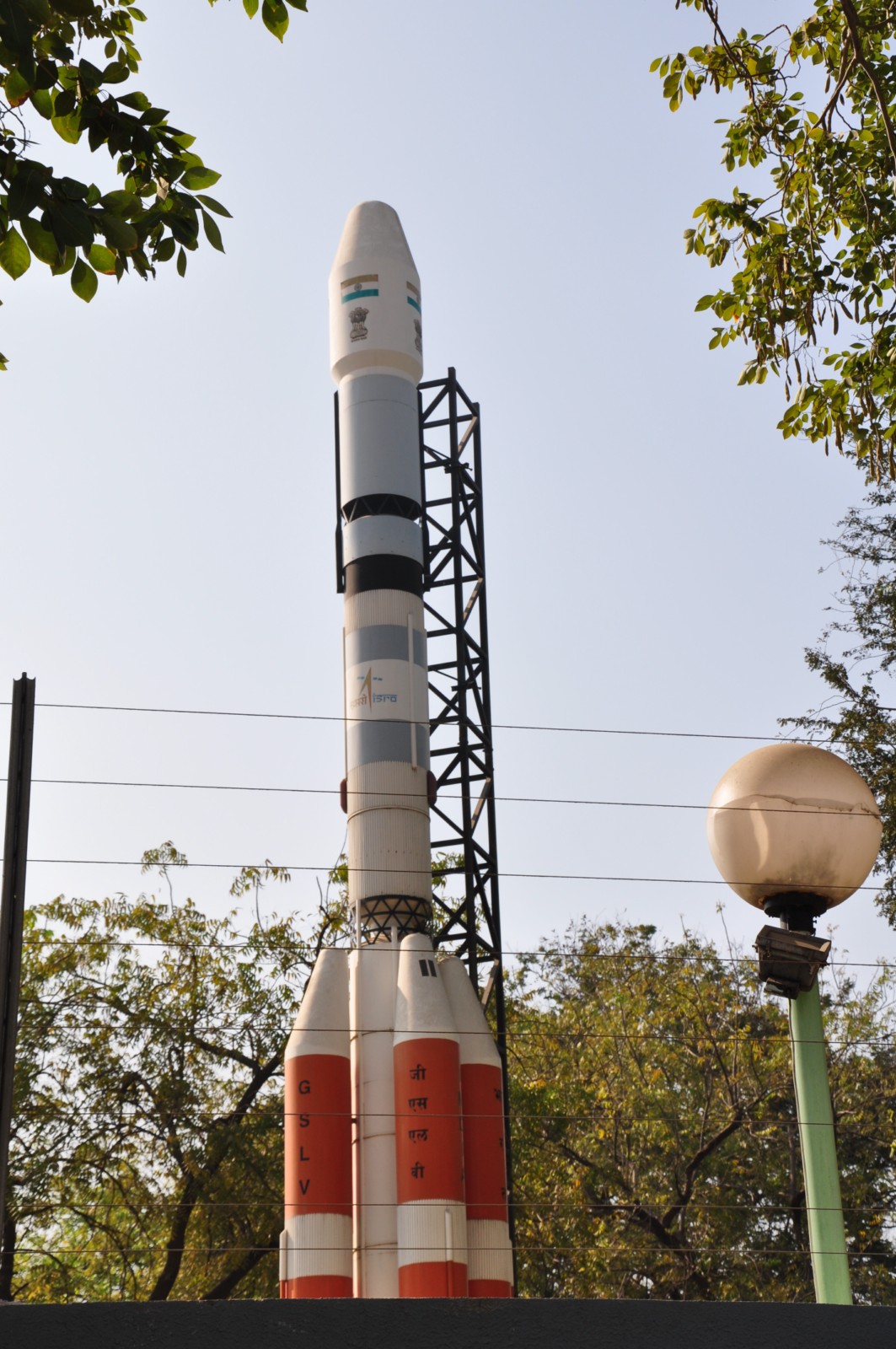
The GSLV-F18 rocket, a crucial component of India’s space endeavors, boasts several key features that enhance its reliability and performance. This launch vehicle is specifically designed to deliver payloads into geosynchronous transfer orbits, making it ideal for missions like the ISRO GSLV-F18 launch, which successfully carried the NVS-03 satellite.
Some of the notable characteristics of the GSLV-F18 include:
- Improved Performance: The rocket incorporates advanced technologies, allowing for higher payload capacity and more efficient launches.
- Three-Stage Propulsion: It utilizes a combination of solid, liquid, and cryogenic stages to maximize thrust and energy efficiency.
- Enhanced Reliability: With a track record of successful missions, GSLV-F18 demonstrates ISRO’s commitment to dependable space operations.
- Versatile Design: The rocket can adapt to various missions, whether deploying satellites for communication, navigation, or Earth observation.
These features position the GSLV-F18 as a cornerstone of India’s ambitious space program.
Future missions planned by ISRO
In light of the successful ISRO GSLV-F18 launch, the Indian Space Research Organisation has outlined several future missions aimed at further enhancing the nation’s satellite capabilities. These upcoming projects are designed to bolster India’s position in space technology and navigation systems.
- Gaganyaan Mission: Scheduled for 2024, this mission will mark India’s first manned spaceflight, aiming to demonstrate human space travel capabilities.
- NavIC Expansion: Following the GSLV-F18 launch, ISRO plans to deploy additional satellites to improve the coverage and accuracy of the NavIC system.
- Earth Observation Satellites: Several new satellites are in the pipeline to enhance Earth observation capabilities, catering to both civilian and defense applications.
- Interplanetary Missions: ISRO is also working on future interplanetary missions, including a proposed mission to Venus.
These initiatives reflect ISRO’s commitment to advancing technology and providing critical services through satellite deployment, ensuring India’s leadership in space exploration.
Public reaction to the successful launch
The successful launch of the GSLV-F18 by ISRO has generated a wave of excitement among the public and experts alike. Many took to social media to express their admiration for the achievement, highlighting its significance in enhancing India’s navigation capabilities through the NavIC system.
Users shared their thoughts on the technological advancements demonstrated during the launch, with several praising the precision and reliability of the GSLV-F18 rocket. Comments included:
- “This is a proud moment for our nation and a testament to ISRO’s hard work!”
- “The GSLV-F18 launch showcases India’s growing capabilities in space technology.”
- “Excited to see how the NVS-03 satellite will impact everyday navigation!”
The public’s enthusiasm reflects a broader appreciation for India’s space endeavors, reinforcing confidence in the country’s ability to undertake complex missions. As more people become aware of the benefits of the NavIC system, such reactions are likely to grow.
Technical challenges faced during the launch
The launch of the GSLV-F18, which successfully carried the NVS-03 satellite, was not without its technical challenges. ISRO faced several hurdles that tested the limits of engineering and precision during the mission.
- Weather Conditions: Adverse weather patterns threatened the launch window, necessitating careful monitoring and adjustments to ensure optimal conditions.
- Payload Integration: The integration of the NVS-03 satellite into the GSLV-F18 rocket required meticulous planning and execution to guarantee that all systems would function seamlessly.
- Launch Vehicle Reliability: Ensuring the reliability of the GSLV-F18 itself was critical, as previous missions had encountered issues that needed to be resolved for a successful launch.
- Real-time Monitoring: The mission control team had to maintain real-time communication and monitoring of the rocket’s systems, which involved navigating complex data streams and potential anomalies.
Despite these challenges, ISRO’s commitment to excellence in the GSLV-F18 launch underscores the organization’s resilience and expertise in space technology.
The ISRO GSLV-F18 launch has demonstrated remarkable reliability, solidifying its status as the best proven mission for India’s NavIC. With this successful mission, the ISRO GSLV-F18 launch paves the way for enhanced satellite navigation capabilities in the region.
Sources
WhatsApp group chat features: 4 Simple Ways to Manage Better · ISRO NVS-03 Satellite: Best Proven Launch for NavIC Services · ISRO GSLV rocket: Is it the Best Proven Launch System?