
 Lawrence Gray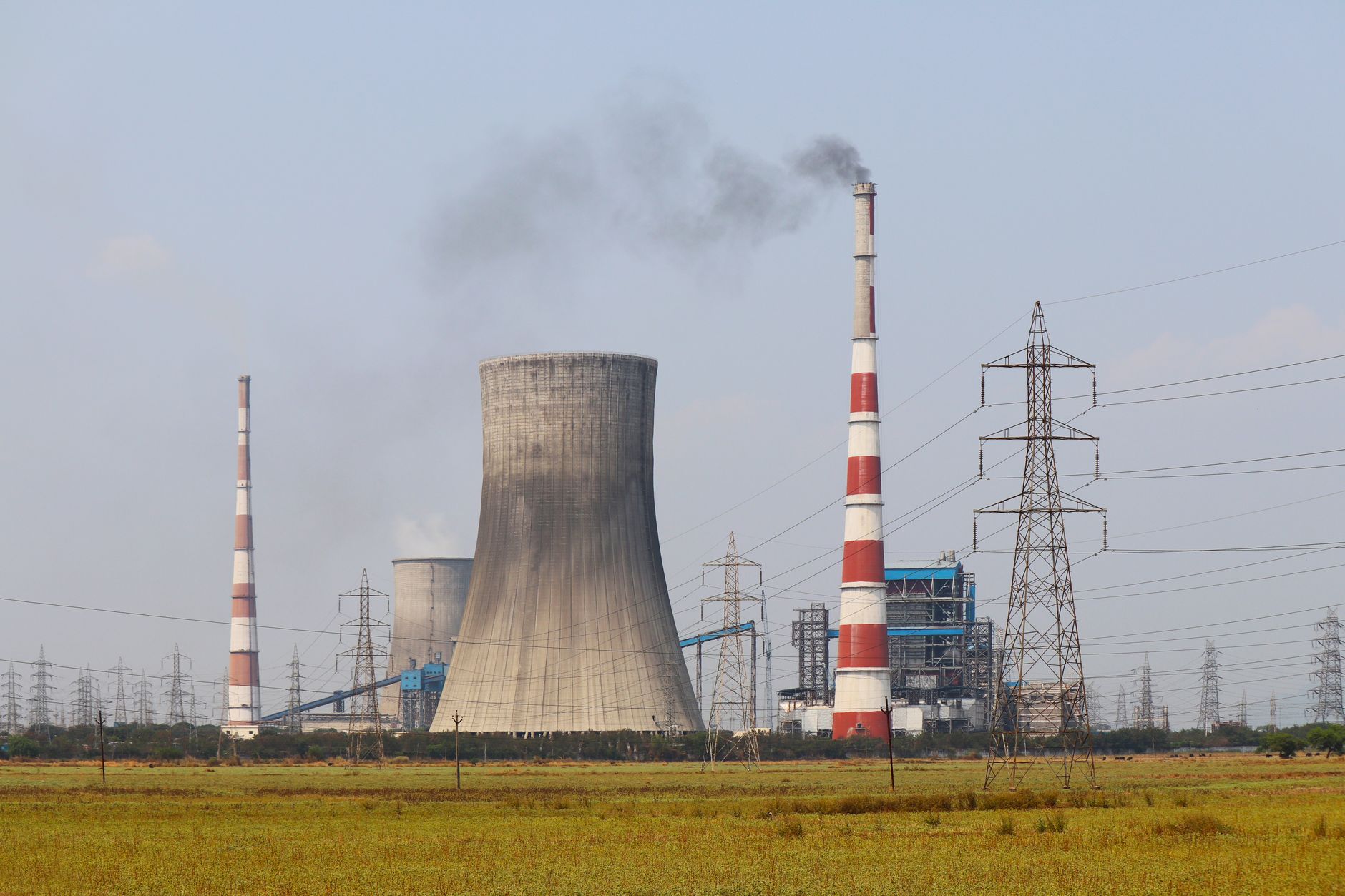
India coal power plans are facing scrutiny as a policy analyst flags stranded-asset risk. This concern has prompted communication with the Finance Ministry regarding future investments.
Understanding Stranded-Asset Risk
As India advances its coal power plans, a significant concern arises regarding stranded-asset risk. This term refers to investments that may not yield expected returns due to market changes, regulatory shifts, or technological advancements. With global energy trends moving towards renewable sources, coal assets risk becoming obsolete.
Policy analysts have raised alarms about the potential for large-scale financial losses if India continues to heavily invest in coal power. The following factors contribute to this risk:
- Market Dynamics: A declining demand for coal and increasing competition from renewables may diminish the profitability of coal power plants.
- Regulatory Changes: Stricter emissions regulations and government policies favoring green energy could render existing coal plants unviable.
- Technological Advancements: The rapid development of energy storage and smart grid technology may further marginalize coal energy.
In light of these factors, analysts urge the Finance Ministry to reconsider the long-term viability of India’s coal power plans to mitigate potential economic repercussions.
The Future of Coal Power in India
The future of coal power in India remains a contentious issue as the nation grapples with environmental concerns and energy demands. While the government has accelerated its coal power plans to meet rising electricity needs, it faces challenges that could have long-term implications.
Experts warn that these coal power initiatives may lead to significant stranded-asset risks. Stranded assets are investments that have lost value due to changes in market conditions or regulatory environments. As India aims to transition to renewable energy sources, the reliance on coal may result in financial losses for stakeholders involved.
Moreover, the international push for decarbonization and commitments to reduce carbon emissions could further jeopardize the viability of coal power plants. The following factors contribute to the uncertainty surrounding India’s coal power plans:
- Shifting global energy trends favoring renewables
- Increasing regulatory pressures on emissions
- Technological advancements in energy efficiency
- Public opposition to coal projects due to environmental impacts
As these elements unfold, it will be critical for policymakers to assess the long-term viability of India’s coal power plans.
Policy Analyst’s Concerns Explained
In a recent communication to the Finance Ministry, a prominent policy analyst raised significant concerns regarding India’s coal power plans. The analyst emphasized the potential for stranded-assets risk, which could leave investments in coal power facilities unrecouped and financially burdensome.
Among the key points highlighted were:
- Economic Viability: With rising concerns over climate change, the long-term economic viability of coal power plants is increasingly in question.
- Shift to Renewables: As India pivots towards renewable energy sources, existing coal projects may become obsolete, jeopardizing financial investments.
- Regulatory Challenges: Stricter environmental regulations could impose additional costs on coal power operations, further complicating their financial outlook.
- Global Trends: Many countries are moving away from coal, and India’s coal power plans might face international scrutiny and pressure.
The policy analyst’s insights suggest that careful consideration is imperative for India’s future energy strategy, particularly as it navigates the complex interplay between economic growth and environmental sustainability.
Implications for the Finance Ministry
The Finance Ministry faces significant implications as India advances its coal power plans, particularly regarding the potential for stranded assets. Analysts have raised concerns that investments in coal infrastructure may not yield long-term returns, especially as global energy trends shift towards sustainable alternatives.
As the world increasingly focuses on reducing carbon emissions, the financial viability of coal projects could be jeopardized. This situation necessitates careful evaluation by the Finance Ministry to ensure that taxpayer money is not funneled into outdated energy sources that may soon become economically unfeasible.
Moreover, the ministry must consider the potential legal and environmental liabilities associated with these investments. Stranded assets could lead to substantial financial losses, not only affecting investors but also hindering India’s broader economic stability.
To mitigate these risks, the Finance Ministry should explore diversifying energy investments and prioritizing renewable sources. This strategic shift could safeguard public funds while aligning with global climate goals, ultimately benefiting both the economy and the environment.
- Assess financial risks of coal investments.
- Explore renewable energy options.
- Align with global climate objectives.
Alternatives to Coal Power
As India continues to explore its coal power plans, it is essential to consider viable alternatives that can provide sustainable energy without the associated environmental risks. Several options are emerging as potential replacements for coal-based electricity generation.
- Renewable Energy Sources: Wind and solar power have gained significant traction in India. The government aims to increase the share of renewables in the energy mix, with ambitious targets set for solar installations.
- Hydropower: India has a vast potential for hydropower generation, particularly in the northern regions. This renewable source can provide a steady power supply while also supporting irrigation and drinking water needs.
- Energy Efficiency Improvements: Investing in energy-efficient technologies can reduce overall energy consumption, thereby decreasing reliance on coal power. This approach not only conserves resources but also lowers emissions.
- Nuclear Power: Expanding nuclear energy capacity could serve as a low-carbon alternative, providing a stable energy source while complementing intermittent renewable technologies.
Transitioning away from coal power is crucial for India to mitigate stranded-asset risks and embrace a cleaner energy future.
Current Trends in Energy Investment
As India continues to navigate its energy landscape, the current trends in energy investment reveal significant shifts that could impact the future of coal power plans. Despite ongoing investments in renewable energy sources, coal remains a substantial part of India’s energy mix. The government has allocated considerable funds towards expanding coal capacity, emphasizing its role in ensuring energy security.
However, analysts are increasingly concerned about the long-term viability of these investments, particularly in light of global climate commitments and the rise of cleaner technologies. The implications of stranded-asset risk loom large, as more nations pivot towards sustainable energy solutions. According to recent reports, financial institutions are beginning to reassess their support for coal projects, which may further complicate India’s coal power plans.
Investors are urged to consider the potential for significant financial losses should coal assets become obsolete. As the market evolves, the emphasis on transitioning to greener alternatives could redefine energy investment priorities. Stakeholders must weigh the benefits of short-term gains against the risks posed by shifting energy dynamics.
The India coal power plans face significant scrutiny due to their environmental impact and sustainability concerns. As the government pushes forward with these India coal power plans, experts warn of the long-term consequences for air quality and climate change.
Photo by Sharath G. on Pexels