
 Lawrence Gray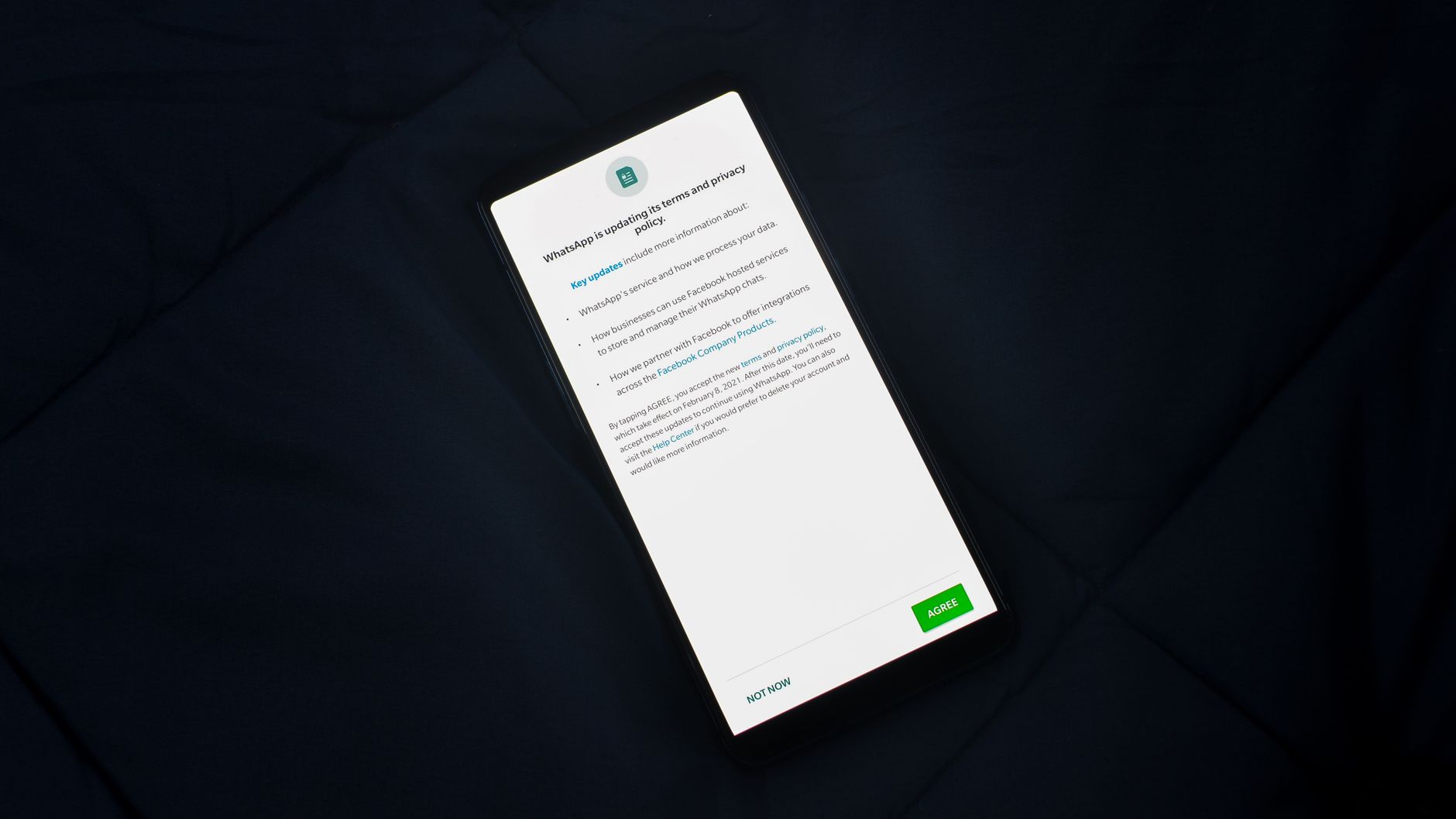
Odisha social media policy is set to be formulated as announced by CM Mohan Charan Majhi, aiming to enhance digital governance in the state.
Overview of Odisha’s Social Media Policy
The Odisha government is set to implement a comprehensive social media policy aimed at enhancing digital governance and fostering a responsible online environment. This initiative, announced by Chief Minister Mohan Charan Majhi, seeks to address the growing challenges posed by misinformation and the misuse of social media platforms.
In recent years, social media has become a double-edged sword, offering both opportunities for engagement and risks related to the spread of false information. The Odisha social media policy will focus on several key areas:
- Regulation of Content: Establishing guidelines to curb misinformation while promoting accurate information dissemination.
- Public Engagement: Encouraging citizens to participate in government initiatives and community discussions through social media channels.
- Training and Awareness: Providing resources for users to understand the implications of their online activities and the importance of digital literacy.
- Collaboration with Platforms: Working with social media companies to ensure compliance with local laws and regulations.
This strategic approach not only aims to protect citizens but also to leverage social media as a tool for growth and innovation within the state.
Importance of Social Media in Governance
Social media has become an indispensable tool in modern governance, offering a platform for direct communication between the government and its citizens. In Odisha, the newly proposed social media policy aims to leverage this potential to enhance transparency and engagement.
One of the primary advantages of utilizing social media in governance includes:
- Real-time Communication: It allows for immediate dissemination of information and announcements, ensuring that citizens are kept informed about policies and services.
- Public Engagement: Social media encourages citizen participation, enabling the government to gather feedback and foster a sense of community involvement.
- Transparency: By sharing updates and information openly, the government can build trust and accountability with the public.
- Cost-Effective Outreach: Social media platforms provide a low-cost means to reach a wide audience, making it an ideal tool for state communication efforts.
As Odisha moves forward with its social media policy, the focus will be on creating a structured approach that not only enhances governance but also empowers citizens to actively participate in the democratic process.
Odisha social media policy: Key Features
The Odisha social media policy introduces several key features aimed at enhancing communication and governance. These features are designed to leverage social media as a tool for transparency and citizen engagement.
Among the highlights of this policy are:
- Guidelines for Responsible Use: The policy outlines clear guidelines for government officials and departments to engage responsibly on social media platforms.
- Public Engagement Strategies: It encourages proactive engagement with citizens by hosting online forums and discussions, fostering a two-way communication channel.
- Monitoring Mechanisms: Establishing monitoring systems to track social media trends and public sentiment, which will help in timely responses to issues raised by the community.
- Capacity Building: Training programs will be implemented to equip government personnel with the necessary skills to effectively use social media tools.
- Content Creation Guidelines: The policy emphasizes the importance of creating informative and engaging content to keep the public informed about government initiatives and services.
Through these measures, the Odisha social media policy aims to create a robust framework that promotes accountability and enhances the overall governance experience for citizens.
Challenges in Implementing Social Media Policies
The implementation of the Odisha social media policy faces several challenges that could affect its effectiveness. These obstacles must be addressed to ensure the policy’s success in promoting responsible social media use among citizens and government officials.
- Public Awareness: There is a significant gap in awareness regarding the new social media policy. Many citizens and government employees may not fully understand its implications, leading to non-compliance.
- Infrastructure Limitations: In certain areas of Odisha, limited internet access and technological infrastructure hinder the effective dissemination of social media guidelines.
- Monitoring and Enforcement: The lack of adequate mechanisms for monitoring social media activities poses a challenge. Enforcing compliance with the policy while respecting freedom of expression is a delicate balance.
- Digital Literacy: A substantial portion of the population may lack digital literacy, making it difficult for them to navigate social media platforms responsibly and understand the nuances of the policy.
- Rapidly Evolving Landscape: The dynamic nature of social media platforms necessitates continuous updates to the policy, which can strain resources and complicate implementation efforts.
Addressing these challenges is crucial for the successful rollout of the Odisha social media policy, ensuring it serves its intended purpose effectively.
Public Reaction to the Announcement
The announcement of the Odisha social media policy has generated a mixed bag of reactions from the public and various stakeholders. While many citizens welcome the initiative as a step towards modern governance, others express concerns about potential restrictions on free speech.
Supporters of the policy highlight several benefits:
- Enhanced Communication: Citizens appreciate the potential for improved engagement between government officials and the public.
- Transparency: The policy is seen as a way to make government actions more transparent and accountable.
- Digital Empowerment: Many believe it will empower citizens to voice their opinions and contribute to policy-making.
Conversely, critics worry about:
- Censorship: Some feel that the policy might lead to the suppression of dissenting voices.
- Implementation Challenges: Concerns have been raised about the potential for inconsistent enforcement and misuse of the policy.
- Privacy Issues: There are apprehensions regarding data privacy and how citizens’ information may be handled.
As the discussions continue, the effectiveness of the Odisha social media policy will depend on balancing these varied perspectives to foster a constructive digital environment.
Future of Digital Governance in Odisha
As Odisha embarks on a journey towards enhanced digital governance, the future of the state’s social media initiatives appears promising. The implementation of the Odisha social media policy is poised to redefine citizen engagement, transparency, and accountability in government operations.
By leveraging social media platforms, the state government aims to foster two-way communication with the public, ensuring that citizens have a voice in the decision-making process. This initiative not only empowers individuals but also encourages active participation in governance.
Key aspects shaping the future of digital governance in Odisha include:
- Increased Accessibility: Expanding internet access in rural areas will enable more citizens to engage with government initiatives.
- Real-time Feedback: Social media provides an immediate channel for citizens to express concerns and provide suggestions, fostering a responsive administration.
- Data-Driven Decisions: Analyzing social media interactions can help policymakers understand public sentiment and prioritize issues effectively.
- Enhanced Collaboration: Engaging with various stakeholders, including civil society organizations, will promote a more inclusive governance model.
In conclusion, the Odisha social media policy represents a strategic approach to modernizing governance, ensuring that it meets the needs of a digitally connected society.
The Odisha social media policy aims to harness digital platforms for effective communication and public engagement. By implementing the Odisha social media policy, the government seeks to promote transparency and foster a sense of community among its citizens.
Photo by Rahul Shah on Pexels
Sources
Alexa Tablet Competition: Best iPad Alternative for Users · Rebel Audio funding: Best proven strategy for success · Milky Way telescopes: What’s the best view in the Atacama?