 Lawrence Gray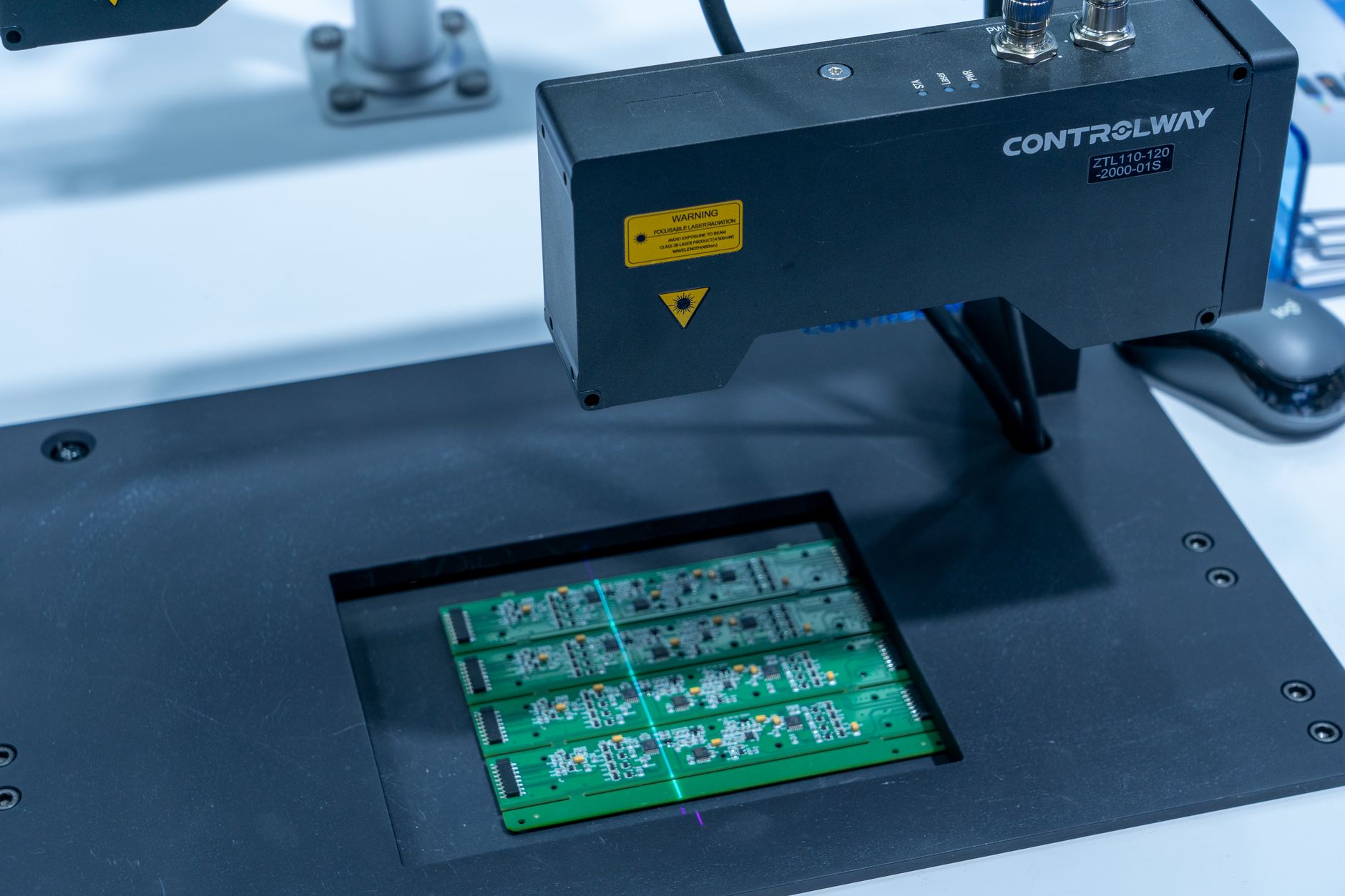
Teledyne Space Imaging Sensors have made a significant impact with their launch on ESA’s Sentinel-3C and FLEX missions. This advancement highlights the company’s commitment to innovative space technology.
Overview of Teledyne’s Launch
Teledyne Space Imaging Sensors has recently achieved significant milestones in the aerospace sector with the successful launch of its advanced imaging sensors aboard ESA’s Sentinel-3C and FLEX missions. These launches mark a vital step in the ongoing collaboration between Teledyne and the European Space Agency (ESA), showcasing the company’s expertise in providing reliable space technologies.
The Sentinel-3C mission aims to enhance Earth observation capabilities, focusing on monitoring sea surface temperatures, ocean color, and land surface changes. Meanwhile, the FLEX mission will provide critical data on vegetation fluorescence, which is essential for understanding plant health and productivity.
The incorporation of Teledyne’s cutting-edge imaging sensors is expected to significantly improve the quality and accuracy of data collected from these missions. With a proven track record of launch success, Teledyne Space Imaging Sensors continues to play a pivotal role in advancing satellite technology and contributing to global environmental monitoring efforts.
- Enhanced Earth observation capabilities
- Focus on sea surface temperatures and land changes
- Critical data for understanding vegetation health
Significance of ESA’s Missions
The European Space Agency (ESA) plays a crucial role in advancing our understanding of the Earth and its environment through a series of innovative missions. These missions, including the recent launch of the Sentinel-3C and FLEX, are designed to monitor various aspects of our planet, such as climate change, land use, and resource management. The incorporation of Teledyne Space Imaging Sensors into these missions underscores the importance of cutting-edge technology in achieving precise and reliable data collection.
Each mission contributes significantly to the global effort in environmental monitoring, providing valuable insights that inform policy decisions and scientific research. The data gathered from ESA’s missions supports a wide range of applications, from agricultural monitoring to disaster response.
Furthermore, the successful deployment of Teledyne’s sensors enhances the capability of these missions, ensuring that they deliver high-quality imagery and data. This, in turn, strengthens ESA’s commitment to fostering sustainable practices and promoting a better understanding of our planet.
Technology Behind Space Imaging
Teledyne Space Imaging Sensors have long been at the forefront of space exploration technology, providing cutting-edge solutions for various missions. These sensors are designed to capture high-resolution images of Earth, allowing for detailed environmental monitoring and scientific research.
The technology behind these sensors involves advanced optical systems that ensure precise imaging capabilities even in challenging conditions. Key features include:
- High Sensitivity: Designed to detect faint signals, these sensors can capture detailed images in low-light conditions.
- Wide Spectral Range: Teledyne’s sensors can operate across multiple wavelengths, facilitating diverse applications from agriculture to climate studies.
- Robust Design: Built to withstand the harsh environment of space, the sensors maintain performance throughout their operational lifespan.
The recent successful launch of Teledyne Space Imaging Sensors on ESA’s Sentinel-3C and FLEX missions further demonstrates their reliability and effectiveness in contributing to critical environmental monitoring efforts.
Future of Space Exploration
The future of space exploration is increasingly reliant on advanced imaging technologies, and Teledyne Space Imaging Sensors are at the forefront of this evolution. As space agencies like the European Space Agency (ESA) continue to expand their missions, the demand for high-resolution and reliable imaging solutions grows. With successful launches of Teledyne’s sensors on missions such as Sentinel-3C and FLEX, the company is positioning itself as a key player in the next generation of space observation.
Future missions are expected to leverage the capabilities of Teledyne’s imaging sensors to monitor climate change, track environmental changes, and support sustainable development initiatives. The integration of these advanced sensors will enhance data collection and analysis, providing crucial insights for scientists and policymakers alike.
As the landscape of space exploration evolves, partnerships between technology innovators and space agencies will be essential. The success of Teledyne Space Imaging Sensors sets a promising precedent for future collaborations that aim to push the boundaries of our understanding of Earth and beyond.
Impact on Satellite Technology
The launch of Teledyne Space Imaging Sensors on ESA’s recent missions marks a significant advancement in satellite technology. These sensors are instrumental in enhancing the quality and precision of Earth observation data, which is crucial for a variety of applications ranging from climate monitoring to agricultural management.
Key impacts of Teledyne’s sensors on satellite technology include:
- Improved Resolution: The advanced imaging capabilities allow for more detailed and accurate images of the Earth’s surface.
- Enhanced Data Collection: With superior sensitivity, the sensors can capture a wider range of wavelengths, providing richer datasets for analysis.
- Real-Time Monitoring: These technologies facilitate faster data transmission, enabling timely decision-making for environmental management.
- Cost-Effective Solutions: The implementation of Teledyne Space Imaging Sensors reduces the overall costs associated with satellite operations while increasing their efficiency.
As satellite missions evolve, the role of these sensors remains crucial in addressing global challenges through innovative technology.
Photo by Peter Xie on Pexels