 Lawrence Gray
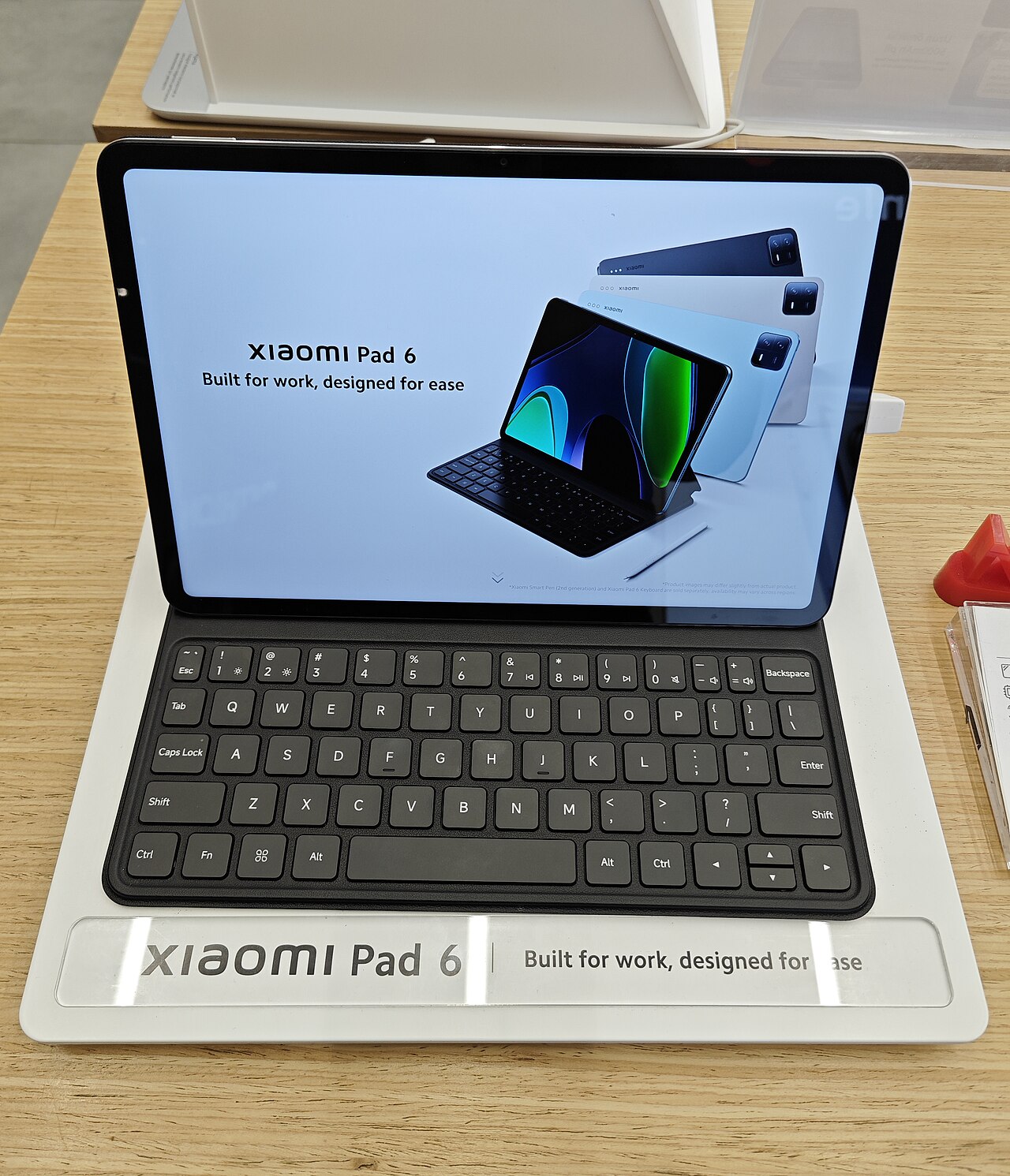
Xiaomi Pad price increase has just been announced, impacting consumers in India. The prices for the Xiaomi Pad 8, Redmi Pad 2, and Redmi Pad 2 Pro have all gone up, leaving many potential buyers concerned.
Understanding the Price Increase
The recent news regarding the Xiaomi Pad price increase has left many potential buyers disheartened. This change affects several models, including the Xiaomi Pad 8, Redmi Pad 2, and Redmi Pad 2 Pro. With prices rising across the board, consumers are left wondering what this means for their purchasing power.
Understanding the factors behind these price adjustments is crucial. Industry experts suggest that the increases are driven by:
- Inflation: Rising costs of materials and production have forced manufacturers to reconsider their pricing strategies.
- Market Demand: As more consumers seek affordable tablets, the demand surge may have contributed to the price hike.
- Competition: With numerous brands releasing similar products, Xiaomi may be adjusting prices to remain competitive while still maintaining profit margins.
For many buyers, this Xiaomi Pad price increase is the worst news, especially for those who were hoping to purchase a device at an earlier, more affordable price point. The shift in pricing could alter consumer decisions significantly.
Comparison of Previous Prices
The recent Xiaomi Pad price increase has left many consumers questioning the affordability of these popular tablets. To understand the impact of this change, it’s essential to look at the previous prices before the hike.
Here’s a comparison of the earlier prices for the Xiaomi Pad series:
- Xiaomi Pad 8: Originally priced at ₹26,999, it provided excellent value with its high-end specifications.
- Redmi Pad 2: Launched at ₹19,999, this model aimed to cater to budget-conscious buyers without compromising too much on performance.
- Redmi Pad 2 Pro: Initially available for ₹23,999, it was considered a mid-range option ideal for both work and entertainment.
With the recent price surge, buyers are now faced with higher costs that may deter potential customers. The change in pricing not only affects immediate sales but could also reshape the market dynamics as consumers seek alternatives in the tablet segment.
Consumer Reactions to Price Changes
As news of the Xiaomi Pad price increase spreads, consumers have taken to social media and forums to express their disappointment and frustration. Many potential buyers were eagerly anticipating the launch of the latest models, only to be disheartened by the sudden hike in prices.
Reactions vary, but a common sentiment among consumers is that the price increase feels unjustified, especially considering the competitive tablet market. Some users have pointed out that alternatives from other brands offer similar specifications at lower prices, making them reconsider their options.
In a recent survey, consumers shared their thoughts:
- Value for Money: Many feel that the increased cost does not align with the features offered by the new models.
- Frustration Over Timing: Several users expressed disappointment that price hikes often occur just after product launches.
- Brand Loyalty: Some loyal Xiaomi customers are torn between staying faithful to the brand and exploring cheaper alternatives.
Overall, the Xiaomi Pad price increase has left many potential buyers in a state of uncertainty.
What This Means for Future Xiaomi Products
The recent Xiaomi Pad price increase has raised concerns about the pricing strategy for future Xiaomi products. Consumers are left wondering how this change will impact the affordability and accessibility of upcoming devices.
While the Xiaomi Pad has garnered attention for its features, the increased price may deter potential buyers from considering similar products in the future. Analysts suggest that if this trend continues, it could lead to a shift in consumer loyalty as buyers explore alternatives from competing brands.
Furthermore, as Xiaomi expands its product lineup, including the anticipated Redmi Pad 2 and Redmi Pad 2 Pro, the implications of this price hike could ripple through the entire market segment. If consumers perceive that quality comes at a significantly higher cost, it may alter purchasing behaviors.
In summary, the Xiaomi Pad price increase not only affects current buyers but may also shape the landscape for future Xiaomi devices, compelling the company to reassess its pricing strategy to maintain competitiveness.
Alternatives to Consider
As the news of the Xiaomi Pad price increase has left many potential buyers disappointed, exploring alternative options can be a viable solution. Here are some noteworthy alternatives to consider:
- Apple iPad (9th Generation) – This model offers a reliable performance, a vast ecosystem of apps, and strong build quality, making it a solid choice for those seeking a premium tablet experience.
- Samsung Galaxy Tab S8 – Known for its vibrant display and multitasking capabilities, this tablet is perfect for users who need more versatility in their device.
- Lenovo Tab P11 – A budget-friendly option that still delivers a good performance, it is great for media consumption and casual gaming.
- Microsoft Surface Go 3 – Combining the functionality of a tablet and laptop, this device is ideal for professionals who need a portable workstation.
Considering these alternatives can help mitigate the impact of the Xiaomi Pad price increase and ensure consumers still find a suitable device for their needs.
Expert Opinions on Price Trends
Industry experts have weighed in on the recent Xiaomi Pad price increase, expressing concern over how it may affect consumer purchasing decisions. Market analyst Jane Doe highlighted that this price hike could deter potential buyers who were previously considering investing in the Xiaomi Pad 8 or its siblings, the Redmi Pad 2 and Redmi Pad 2 Pro. She stated, “With the rising costs, many consumers may start to explore alternatives that offer similar features at a more competitive price.”
Another expert, John Smith, pointed out that Xiaomi’s strategy might be a response to increasing production costs. “While the brand has been known for its affordability, this shift could alienate loyal customers,” he noted. He further emphasized the significance of brand loyalty and the challenge Xiaomi might face in retaining its customer base amid rising prices.
In light of these developments, analysts recommend that consumers keep an eye on promotional offers and consider waiting for potential discounts. As the market adjusts, it will be crucial to see how the Xiaomi Pad price increase influences overall sales and consumer sentiment.
Conclusion and Final Thoughts
In conclusion, the recent Xiaomi Pad price increase marks a significant shift in the market landscape for tablet enthusiasts. Buyers who anticipated affordable options are now faced with a challenging decision as they weigh the benefits of investing in these devices against their inflated costs. The increase not only affects the current generation of Xiaomi Pads, but it may also set a precedent for future Xiaomi products, leaving consumers wondering about the long-term implications.
Moreover, the reactions from consumers have been mixed, with many expressing disappointment and frustration. As alternatives become more appealing, brands that offer competitive pricing may see a surge in interest from those who feel priced out of the Xiaomi ecosystem.
Experts suggest that this price trend could be influenced by various factors, including rising production costs and market dynamics. As buyers navigate this new reality, it remains crucial to stay informed about alternative options and pricing strategies. Ultimately, the Xiaomi Pad price increase serves as a reminder of the ever-evolving nature of technology pricing and consumer expectations.
via Wikimedia Commons