
 Lawrence Gray
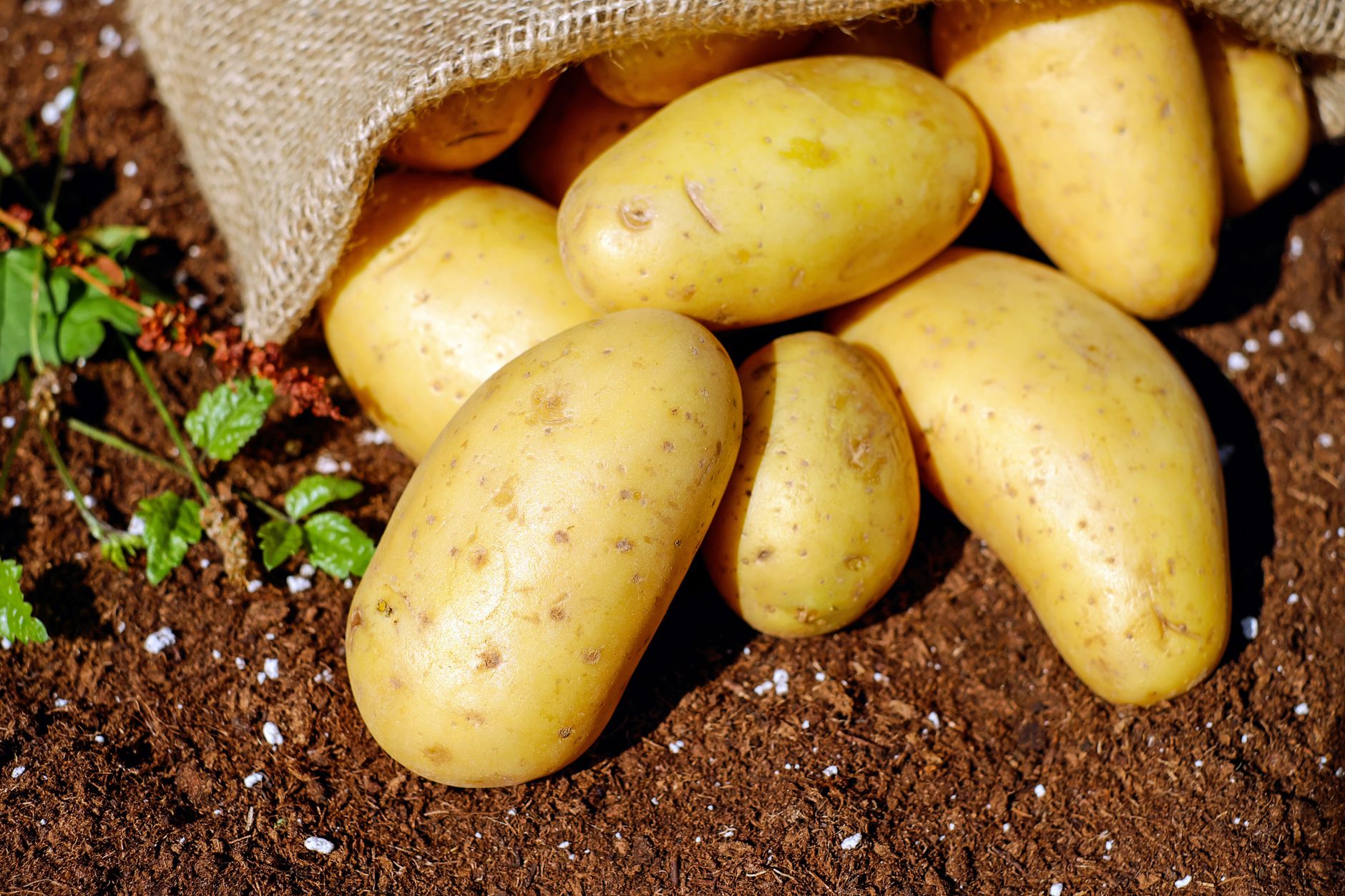
lunar soil potatoes have demonstrated the ability to grow as well as their Earth-grown counterparts. This breakthrough opens up exciting possibilities for future farming in extraterrestrial environments.
The Science Behind Lunar Soil
The recent advances in agricultural science have opened up exciting possibilities for farming beyond Earth. Researchers have been examining the potential of lunar soil potatoes, cultivated in conditions that simulate the lunar environment. The study reveals that these potatoes exhibit growth patterns comparable to those grown in traditional Earth soil.
To understand the science behind this phenomenon, scientists utilized a mix of volcanic ash and minerals that mimic the composition of lunar regolith. The results showed that the potatoes not only sprouted but also developed robust root systems and healthy foliage. Key factors contributing to their success include:
- Nutrient availability: Lunar soil contains essential minerals that support plant growth.
- Water retention: The simulated soil was engineered to maintain moisture levels.
- pH balance: A balanced pH ensured optimal growing conditions.
This groundbreaking research suggests that lunar soil potatoes could play a significant role in future space missions and extraterrestrial agriculture.
Comparing Earth and Lunar Potatoes
When it comes to comparing Earth and lunar potatoes, several factors come into play. Recent studies have shown that potatoes grown in simulated lunar soil can achieve performance levels comparable to those grown on Earth. This breakthrough raises questions about the potential for lunar soil potatoes to be a viable food source in extraterrestrial environments.
Key differences and similarities between the two growing mediums include:
- Soil Composition: Earth soil contains organic matter, while lunar soil lacks this component, which may affect nutrient availability.
- Water Retention: Earth soil retains moisture better than lunar soil, necessitating careful irrigation techniques for lunar crops.
- Growth Conditions: Lunar potatoes may require tailored growth conditions to replicate the sunlight and temperature ranges found on Earth.
Overall, while lunar soil potatoes present exciting possibilities, further research is needed to optimize their growth and adaptability to ensure sustainable farming practices beyond our planet.
Implications for Future Space Missions
The recent success of growing potatoes in simulated lunar soil has significant implications for future space missions. As humanity prepares for longer stays on the Moon and beyond, understanding how to cultivate food in extraterrestrial environments becomes crucial.
Experts believe that lunar soil potatoes could provide a sustainable food source, reducing the need to transport supplies from Earth. This advancement would not only enhance food security for astronauts but also pave the way for future colonization efforts on the Moon or Mars.
There are several factors to consider:
- Resource Utilization: Utilizing lunar soil means taking advantage of in-situ resources, which is vital for long-term missions.
- Biological Research: Growing plants in different gravitational and atmospheric conditions could yield insights into plant biology.
- Psychological Benefits: Gardening could provide psychological relief for astronauts, improving mental health during extended missions.
These findings represent a significant step toward sustainable space exploration, making lunar agriculture a priority for future research.
How Lunar Soil Affects Growth
The unique composition of lunar soil presents intriguing possibilities for agricultural practices in space. Researchers have found that lunar soil potatoes exhibit qualities that could enhance growth and resilience. The soil, rich in minerals such as iron and titanium, may provide essential nutrients that contribute to the overall health of the plants.
In experiments, scientists observed that:
- Root Development: Plants grown in lunar soil showed robust root systems, allowing for better nutrient absorption.
- Resistance to Pests: These potatoes demonstrated increased resistance to common pests, suggesting a natural defense mechanism.
- Water Retention: Lunar soil’s unique texture enables improved water retention, which is critical in arid environments.
As researchers continue to explore the viability of lunar soil potatoes, the implications for off-Earth farming become increasingly evident. This could pave the way for sustainable agriculture on future missions to the Moon and beyond.
Challenges in Space Agriculture
As researchers explore the potential of lunar soil potatoes, several challenges in space agriculture have emerged. One of the primary concerns is the nutritional composition of lunar regolith. While it demonstrates promising growth capabilities, the lack of certain minerals and organic matter necessary for optimal plant health poses significant hurdles.
Furthermore, the environmental factors in space, such as radiation exposure and microgravity, affect plant growth. Plants grown in these conditions may require innovative solutions to ensure they receive adequate light and moisture.
Another challenge is establishing a sustainable farming system on lunar missions. The reliance on lunar soil could necessitate a careful balance of inputs to maintain soil health over time.
Finally, the psychological effects of long-term space missions can impact crew members’ ability to tend to crops. Addressing these challenges is crucial for the successful cultivation of lunar soil potatoes, which could play a vital role in supporting human life beyond Earth.
Expert Opinions on Lunar Farming
Experts in astrobiology and agricultural science are weighing in on the potential of lunar soil potatoes as a viable option for future space missions. Dr. Emily Tran, a leading researcher at the Space Agriculture Institute, emphasizes that “the composition of lunar soil provides unique nutrients that can enhance potato growth.” She believes that cultivating lunar soil potatoes could significantly aid long-term human habitation on the Moon.
Moreover, Dr. Raj Patel, an agronomist specializing in extraterrestrial farming, points out that “the ability to grow crops in situ is critical for sustainable exploration.” He notes that the successful growth of potatoes in simulated lunar conditions not only mirrors Earth-grown performance but also opens doors to innovative agricultural practices.
Industry professionals are optimistic, suggesting that lunar soil potatoes could serve as a key food source for astronauts during extended missions. As research progresses, the dream of farming on the Moon may soon become a reality, transforming our approach to space exploration.
Future of Food Production in Space
The exploration of lunar soil potatoes could revolutionize food production in space, potentially alleviating some of the challenges faced during long-duration missions. As humanity plans for deeper space exploration, including missions to Mars, the ability to grow food in extraterrestrial environments becomes crucial.
Using lunar soil as a growing medium has shown promise, with studies indicating that crops grown in these conditions can thrive. This breakthrough not only reduces dependence on Earth for food supplies but also enhances the sustainability of space missions.
Furthermore, advancements in space agriculture could lead to improved techniques for growing food on Earth, particularly in arid regions. The potential to optimize plant growth in harsh environments is a significant benefit, broadening the scope of agricultural practices.
- Self-sustainability during missions
- Reduction of supply costs
- Innovation in agricultural technology
As research progresses, the future of food production in space looks promising, paving the way for a new era of lunar farming.
Photo by Pixabay on Pexels