
 Lawrence Gray
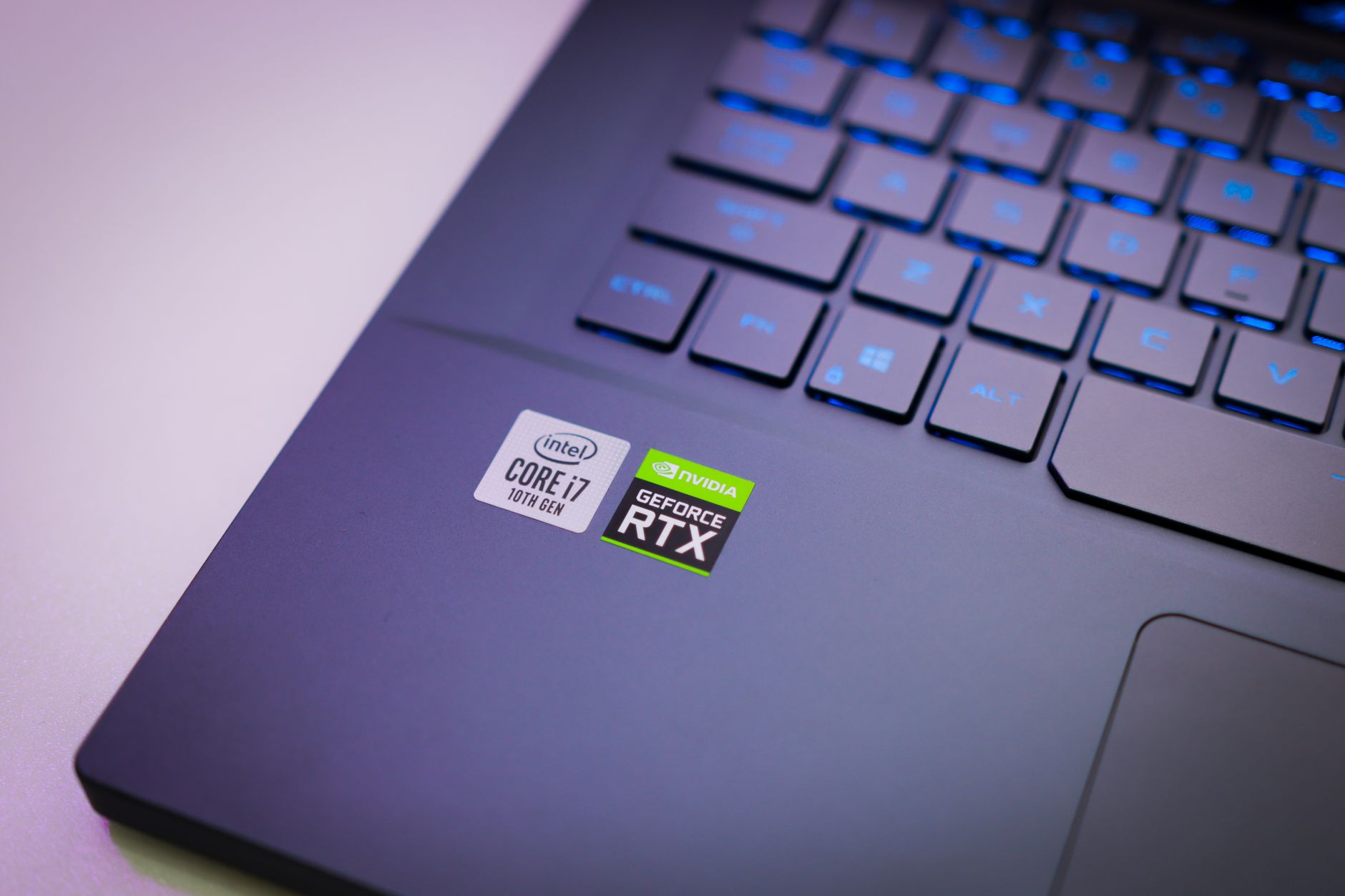
GPU cloud price has been found to be nearly double what consumers expect, according to Fluence Research. This revelation raises questions about pricing strategies in the tech industry.
Introduction to GPU Cloud Pricing
The market for GPU cloud pricing has garnered significant attention as businesses increasingly turn to cloud computing for their processing needs. Fluence Research recently unveiled findings that reveal a concerning trend in the pricing of GPU resources offered by hyperscalers. These findings indicate that the cost of GPUs in the cloud is often marked up to nearly double the price compared to direct purchasing options.
This pricing discrepancy is critical for companies looking to optimize their budgets while leveraging the power of GPU computing. As organizations invest in artificial intelligence, machine learning, and complex data analysis, understanding the GPU cloud price becomes essential for making informed decisions. The markup can significantly impact project costs and overall strategy.
Some key points highlighted by Fluence Research include:
- Increased Demand: The surge in demand for GPU capabilities has contributed to higher prices.
- Competitive Landscape: Different hyperscalers adopt various pricing strategies, leading to inconsistencies in costs.
- Cost Efficiency: Companies need to evaluate whether cloud-based GPU services are financially viable compared to on-premises solutions.
As the cloud infrastructure continues to evolve, stakeholders must stay informed about GPU cloud pricing trends to ensure that they are not overpaying for vital resources in this competitive market.
Fluence Research Findings Explained
Fluence Research has unveiled significant findings regarding GPU cloud prices, shedding light on the disparities in the market. According to their report, hyperscalers are listing GPUs at nearly double the prevailing GPU cloud price, raising questions about pricing strategies used by major cloud providers.
Key observations from the research include:
- Markup Analysis: The study revealed that the markup on GPU prices is substantially higher than anticipated, which could impact businesses relying heavily on cloud-based GPU resources.
- Market Dynamics: The research suggests that supply chain issues and demand surges have led to inflated pricing, forcing companies to reconsider their cloud computing strategies.
- Competitive Landscape: With prices being nearly double, smaller providers may struggle to compete, potentially leading to less innovation and reduced options for consumers.
- Future Projections: Fluence Research forecasts that if these pricing trends continue, businesses may explore alternative solutions, including on-premises GPU setups or partnerships with niche providers.
This analysis by Fluence Research not only highlights the current challenges in GPU cloud pricing but also serves as a call to action for stakeholders to evaluate their strategies in light of these findings. Understanding the underlying factors contributing to such high GPU cloud prices is crucial for making informed decisions in a rapidly evolving tech landscape.
Impact of Hyperscalers on Pricing
The emergence of hyperscalers in the GPU cloud market has significantly impacted pricing structures, leading to notable discrepancies between the listed prices and actual market rates. According to the recent findings from Fluence Research, hyperscalers are marking up GPU prices to nearly double the typical GPU cloud price. This markup raises concerns about the overall pricing strategy and transparency within the industry.
Hyperscalers, or large-scale cloud service providers, leverage their considerable resources to offer GPU cloud services. However, this has also led to increased costs for consumers. The following factors contribute to the inflated pricing:
- Market Control: Hyperscalers dominate the cloud infrastructure landscape, allowing them to set higher prices without significant competition.
- Resource Availability: With limited availability of advanced GPUs, hyperscalers capitalize on demand, thus driving prices upward.
- Operational Costs: The extensive investments in infrastructure and technology by hyperscalers are often passed on to consumers, inflating GPU cloud prices.
Furthermore, this pricing strategy can deter smaller players and startups from accessing essential GPU resources, ultimately stifling innovation in the tech ecosystem. The findings by Fluence Research underscore the urgent need for more competitive pricing practices in the GPU cloud market, enabling fair access to these critical resources for all stakeholders.
Consumer Reactions to GPU Costs
As the GPU cloud price continues to rise, consumer reactions have been mixed, reflecting a blend of frustration and resignation. Many users have taken to social media and forums to express their concerns about the increasing costs associated with GPU cloud services.
One prevalent sentiment among consumers is the feeling of being priced out of the market. Several users reported that they are reconsidering their projects due to the high expenses involved. As one user noted, “I used to think GPU cloud services were a viable option for my machine learning projects, but with prices doubling, it’s hard to justify the expense.”
There is also a growing call for transparency in pricing. Many consumers believe that understanding the breakdown of GPU cloud prices could help them make more informed decisions. A frequent suggestion is for providers to offer clearer insights into what drives these costs, especially given the significant markup identified by Fluence Research.
Moreover, some industry professionals have voiced concerns that the high GPU cloud prices could stifle innovation. They argue that start-ups and smaller companies may struggle to compete if they cannot access affordable resources. Consumers are urging for a more competitive landscape that could help drive prices down and foster creativity in GPU-dependent fields.
Comparing GPU Prices Across Providers
The landscape of GPU cloud pricing has become increasingly complex, as various providers set their rates based on their infrastructure and market positioning. Fluence Research’s latest findings highlight the stark differences in pricing strategies among leading cloud service providers.
In a recent report, Fluence Research revealed that hyperscalers are listing GPUs at nearly double the GPU cloud price compared to smaller providers. This significant markup raises important questions for consumers and businesses seeking cost-effective solutions for their computing needs.
When comparing GPU prices across providers, several key factors come into play:
- Infrastructure Costs: Larger providers often have more extensive infrastructure investments, which can lead to higher prices.
- Service Offerings: Additional features, such as enhanced security and support, can justify premium pricing for some clients.
- Market Demand: High demand for GPU resources, especially for AI and machine learning applications, can drive up prices across the board.
- Geographic Location: Providers may charge differently based on regional market saturation and competition.
As businesses weigh their options, understanding these pricing dynamics is crucial. With the GPU cloud price disparity, companies must carefully evaluate their needs and consider whether the higher costs of hyperscalers are warranted by the additional benefits they might offer.
Future Trends in GPU Cloud Pricing
As the demand for GPU cloud services continues to grow, industry experts are speculating about future trends in GPU cloud pricing. The recent findings from Fluence Research have shed light on the current landscape, revealing that hyperscalers are listing GPUs at nearly twice the typical GPU cloud price.
One significant trend is the anticipated increase in competition among cloud service providers. As more companies enter the market, it is likely that prices will eventually stabilize or even decline, as providers seek to differentiate themselves through pricing strategies and innovative services. This increased competition could lead to more transparent pricing models and better value for consumers.
Another factor influencing future GPU cloud pricing is the rapid advancement of technology. As new generations of GPUs are released, older models may become more affordable, which could further impact pricing structures. Additionally, the emergence of specialized GPUs designed for specific applications may lead to more tailored pricing options for consumers.
Moreover, the shift towards hybrid and multi-cloud environments could change the landscape of GPU cloud pricing. Companies may seek to optimize their costs by strategically utilizing multiple providers, potentially driving down prices through market forces.
- Increased competition may lead to more competitive pricing.
- Technological advancements could make GPUs more affordable.
- Hybrid cloud strategies might encourage cost optimization.
Ultimately, the future of GPU cloud pricing remains uncertain, but the insights from Fluence Research suggest that significant changes are on the horizon.
Understanding the Value of GPUs
As the demand for powerful computing resources continues to surge, understanding the value of GPUs in the cloud is crucial for organizations looking to optimize their budgets. The recent findings from Fluence Research highlight significant discrepancies in GPU cloud prices, with hyperscalers often marking up their offerings considerably.
When assessing the value of GPU cloud services, it is essential to consider several factors:
- Performance: GPUs are designed for high-performance computing tasks, and their capabilities can significantly enhance processing speed for tasks like machine learning and data analytics.
- Scalability: Cloud solutions provide the flexibility to scale resources based on demand, allowing businesses to manage costs more effectively while accessing advanced technologies.
- Support and Maintenance: Utilizing cloud providers often includes support services that can alleviate the burden of hardware maintenance, which is a vital aspect of overall value.
- Cost Structure: Understanding the GPU cloud price is essential for making informed purchasing decisions, as it can vary dramatically between providers, particularly when comparing hyperscalers to smaller, specialized providers.
In light of the research findings, businesses must critically evaluate their options, as the markup on GPU cloud prices could impact budget allocations and overall project feasibility. Identifying a provider that offers competitive pricing without sacrificing performance is key to maximizing value in today’s technology landscape.
Conclusion and Key Takeaways
In conclusion, the analysis provided by Fluence Research highlights significant discrepancies in GPU cloud pricing, raising concerns about the sustainability of current market practices. The report reveals that hyperscalers are listing GPUs at prices nearly double the average GPU cloud price, which could have far-reaching implications for consumers and businesses alike.
Key takeaways from the findings include:
- High Markup: The inflated prices set by hyperscalers impact the overall affordability and accessibility of GPU cloud services.
- Market Dynamics: Increased competition among cloud providers may lead to more favorable pricing structures in the long term.
- Consumer Awareness: As consumers become more informed about GPU costs, they are likely to seek out alternatives, potentially shifting market power.
- Future Outlook: Trends suggest that as demand for GPU resources continues to rise, pricing strategies will need to evolve to retain customer loyalty.
Ultimately, the findings of Fluence Research serve as a wake-up call for both consumers and providers in the GPU cloud space. Understanding the true value of GPUs and the factors influencing their pricing is crucial for making informed decisions in an increasingly competitive market.
The latest findings from Fluence Research highlight the staggering differences in GPU cloud price across various providers. Understanding the GPU cloud price can help businesses make more informed decisions when selecting a cloud service.
Photo by Foysal Ahmed on Pexels