 Lawrence Gray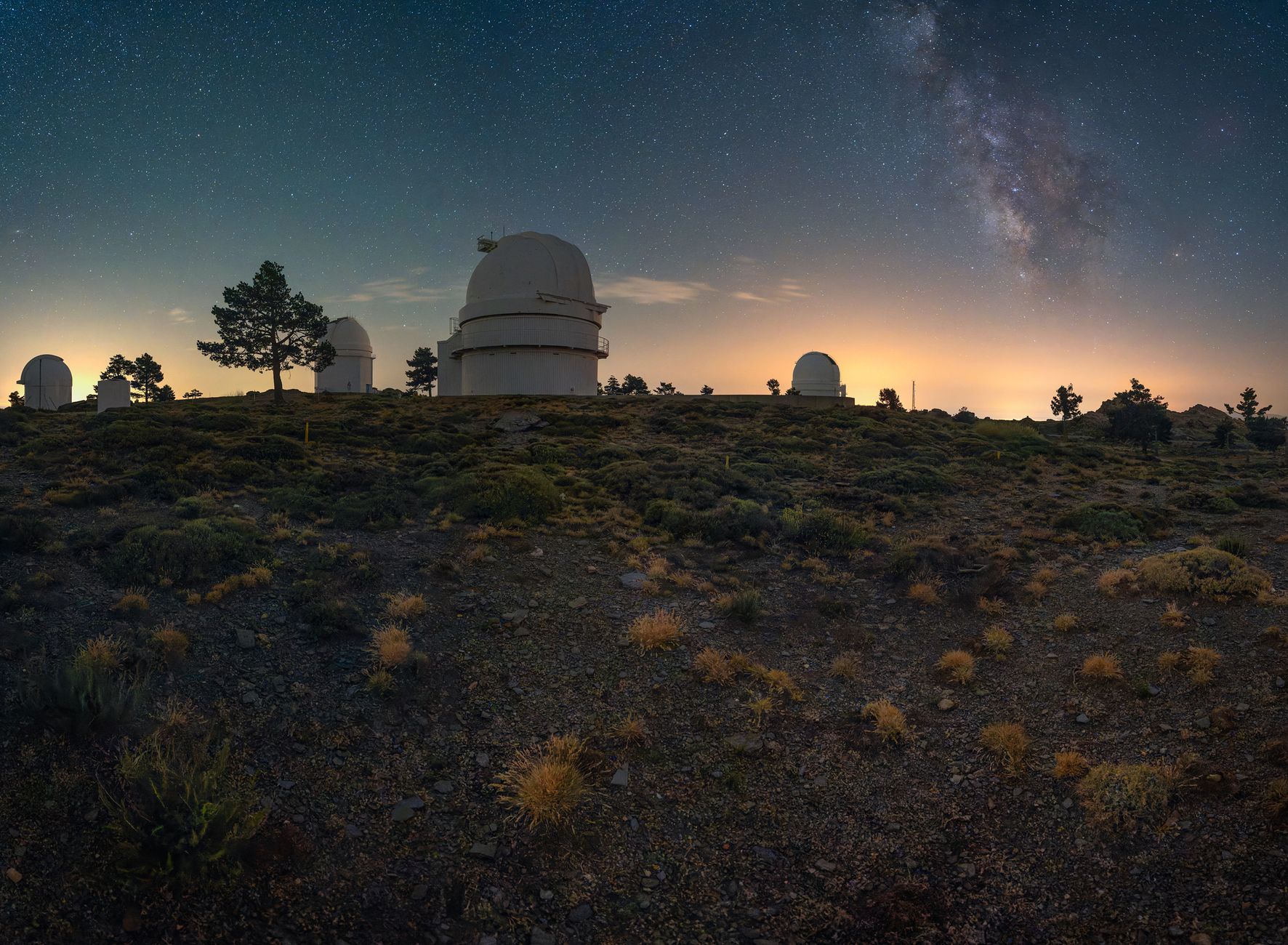
Milky Way telescopes are capturing breathtaking views in the Atacama Desert. This unique location offers some of the clearest skies for astronomical observations.
The Beauty of the Milky Way
The Atacama Desert, renowned for its arid climate and high altitude, offers an unparalleled view of the Milky Way. Each night, the vast expanse of the sky transforms into a celestial masterpiece, showcasing billions of stars and the iconic band of our galaxy.
As stargazers and astronomers gather around the impressive Milky Way telescopes scattered throughout the region, they are often mesmerized by the sheer beauty of the cosmos. The clarity of the atmosphere in this part of the world allows for stunning observations that are simply unattainable elsewhere.
Visitors often describe their experience as transcendent, with the following highlights:
- Crystal-clear skies: The lack of light pollution enhances visibility, making every constellation and celestial phenomenon more vivid.
- Stargazing events: Numerous observatories host public nights where enthusiasts can gaze through powerful telescopes.
- Astrophotography: The stunning landscape of the desert serves as a perfect backdrop for capturing the Milky Way in all its glory.
In the Atacama, the beauty of the Milky Way is not just seen; it is felt, inspiring awe and wonder in all who take the time to look up.
Why the Atacama Desert is Ideal for Telescopes
The Atacama Desert, located in northern Chile, is renowned for being one of the best places on Earth for observing the Milky Way through telescopes. Several factors contribute to its ideal conditions for astronomical research and observation.
- Altitude: The desert sits at an elevation of over 2,400 meters (7,874 feet), significantly reducing atmospheric interference and allowing for clearer views of celestial objects.
- Dry Climate: With some of the lowest humidity levels in the world, the Atacama experiences minimal cloud cover, providing uninterrupted access to the night sky.
- Light Pollution: The remote location of the desert means there is little to no light pollution, allowing telescopes to capture the faintest details of the Milky Way.
- Stable Atmosphere: The atmospheric conditions in the Atacama are remarkably stable, which is essential for high-quality astronomical observations.
These characteristics make the Atacama Desert a prime location for telescopes aimed at exploring the wonders of the Milky Way. Astronomers flock to this region to take advantage of its unique environment, enhancing our understanding of the universe.
Top Telescopes for Stargazing
The Atacama Desert, renowned for its clear skies and minimal light pollution, is home to some of the most advanced telescopes in the world. These telescopes offer unparalleled views of the Milky Way, attracting astronomers and stargazers alike. Here are some of the top telescopes for stargazing in this remarkable region:
- Atacama Large Millimeter/submillimeter Array (ALMA): This array of 66 high-precision antennas is designed to observe the universe in millimeter and submillimeter wavelengths, providing detailed insights into the formation of stars and galaxies.
- Paranal Observatory: Home to the Very Large Telescope (VLT), this facility boasts four optical telescopes that can be combined to form an effective aperture of 16 meters, offering stunning views of the Milky Way.
- Gemini South Telescope: Located on the Cerro Pachón mountain, this telescope provides a wide range of imaging capabilities and is instrumental in studying various astronomical phenomena.
- Las Campanas Observatory: Featuring the two Magellan telescopes, this site is significant for its contributions to understanding galaxy formation and evolution.
Each of these telescopes plays a crucial role in enhancing our understanding of the cosmos, making the Atacama a prime destination for those interested in the mysteries of the Milky Way.
How to Capture the Night Sky
Capturing the stunning beauty of the Milky Way requires more than just a keen eye; it demands the right techniques and equipment. For enthusiasts aiming to photograph the night sky, the Atacama Desert provides an unparalleled backdrop, thanks to its clear skies and minimal light pollution.
To start, consider the following tips for capturing breathtaking images:
- Use a sturdy tripod: Stability is crucial for long exposure shots, which are essential for capturing the intricate details of the Milky Way.
- Opt for a wide-angle lens: A lens with a wider field of view allows you to capture more of the night sky in a single frame.
- Set the right exposure: Experiment with longer exposure times to bring out the luminous features of the Milky Way, but be cautious of overexposure.
- Focus manually: Autofocus can struggle in low light, so manually adjusting the focus ensures better clarity of celestial objects.
- Scout your location: Finding a vantage point that combines natural landscapes with the Milky Way adds depth and interest to your photographs.
With the right approach, capturing the Milky Way through telescopes or cameras can yield stunning results that showcase the beauty of the universe.
Astronomy in the Atacama
The Atacama Desert, often regarded as one of the best places on Earth for astronomy, offers stunning views of the night sky, making it a prime location for Milky Way telescopes. With its high altitude, low humidity, and minimal light pollution, the desert provides an unparalleled opportunity for astronomers and stargazers alike.
Visitors to the Atacama can experience a unique blend of natural beauty and scientific advancement. The clear skies allow for exceptional visibility, revealing the Milky Way in all its glory. Multiple observatories have been established in this region, utilizing cutting-edge technology to explore the cosmos.
- ALMA (Atacama Large Millimeter/submillimeter Array): A powerful array of telescopes that studies cosmic phenomena.
- La Silla Observatory: Home to several telescopes that capture breathtaking images of the Milky Way.
- Paranal Observatory: Features the Very Large Telescope, one of the most advanced in the world.
As the sun sets over the horizon, the Atacama transforms into a celestial wonderland, showcasing the beauty of the Milky Way and the wonders that lie beyond. The combination of cutting-edge science and the stunning night sky makes the Atacama a must-visit for anyone passionate about astronomy.
The Science Behind Clear Skies
The Atacama Desert is renowned for its remarkably clear skies, making it a prime location for Milky Way telescopes. The science behind these pristine conditions stems from several key factors.
- Altitude: The Atacama is one of the highest deserts in the world, with many observatories positioned at elevations exceeding 2,400 meters (7,874 feet). This altitude reduces the amount of atmosphere that light must travel through, minimizing distortion.
- Humidity: The region experiences some of the lowest humidity levels globally, which decreases the likelihood of water vapor interfering with astronomical observations. This dryness allows for sharper images of celestial bodies.
- Light Pollution: With vast stretches of uninhabited land, the Atacama provides a sanctuary away from city lights. The absence of light pollution enhances the visibility of the Milky Way, allowing telescopes to reveal intricate details of our galaxy.
- Stable Atmosphere: The atmospheric conditions in the Atacama are consistently stable, which is crucial for long-exposure photography and high-quality data collection in astronomy.
These unique characteristics contribute to the Atacama’s reputation as one of the best locations worldwide for observing the Milky Way and advancing astronomical research.
Tips for Stargazing in Remote Locations
Stargazing in remote locations like the Atacama Desert can be a breathtaking experience, especially when observing the Milky Way through telescopes. To make the most of your stargazing adventure, consider the following tips:
- Choose the Right Location: Find a spot far from city lights and pollution. The Atacama Desert offers some of the darkest skies, perfect for viewing the Milky Way.
- Timing is Key: Plan your visit during a new moon phase when the moonlight won’t overshadow celestial bodies. The best views are often found in the months of winter.
- Bring Proper Equipment: While telescopes in the Atacama are exceptional, binoculars can also enhance your experience. A star map or an astronomy app can help identify constellations.
- Dress Appropriately: Even in desert climates, nights can be chilly. Wear layers to stay warm and comfortable while you wait for the stars to shine.
- Be Patient: Stargazing requires patience. Allow your eyes to adjust to the darkness, and take time to absorb the beauty of the cosmos.
With these tips in mind, you can enjoy a spectacular view of the Milky Way and make the most of your time in the Atacama Desert.
Many astronomers believe that the Atacama Desert offers some of the best conditions for observing the night sky, making it an ideal location for Milky Way telescopes. With minimal light pollution and high-altitude observatories, enthusiasts can capture stunning images of the Milky Way telescopes in action.
Photo by Horacio Lander on Pexels