 Lawrence Gray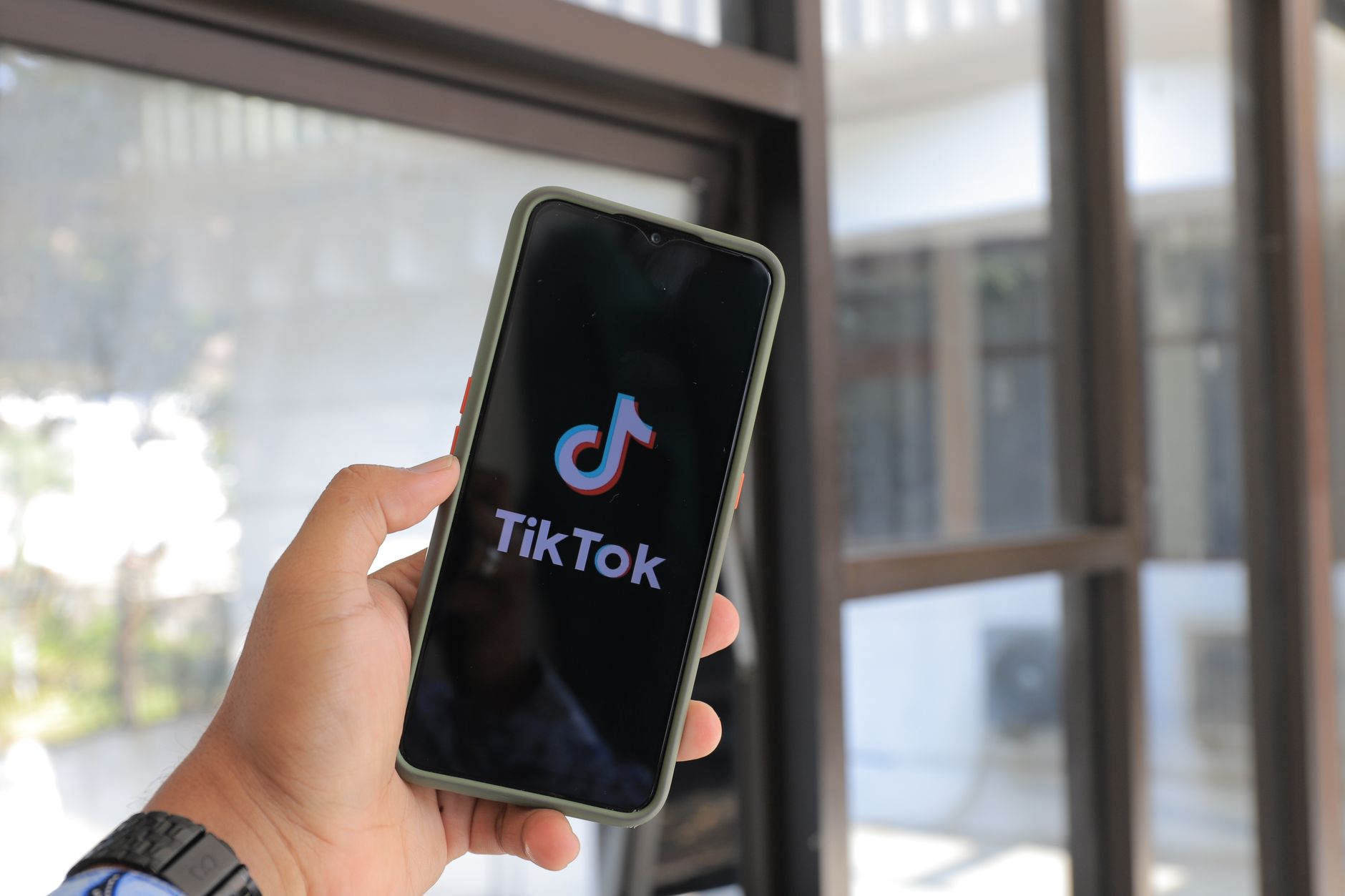
TikTok safety feature has come under scrutiny as New York alleges the app provided a placebo instead of real protection for teens and children.
Overview of the Allegations
The recent allegations against TikTok have raised significant concerns regarding the platform’s commitment to user safety, particularly for its younger audience. New York has accused TikTok of providing a placebo safety feature rather than implementing genuine protective measures for teens and children. This claim suggests that the company’s purported safety features may not function as effectively as advertised, putting vulnerable users at risk.
Critics argue that TikTok’s actions could have serious implications for the mental health and well-being of its younger users. The alleged safety feature is said to lack the necessary capabilities to adequately shield children from harmful content and interactions, which are prevalent on social media platforms. This has sparked a broader debate about how social media companies prioritize user safety and whether existing regulations are sufficient to protect minors online.
Key points of concern include:
- The effectiveness of existing safety measures in preventing exposure to inappropriate content.
- The transparency of TikTok’s safety protocols and their communication to users and parents.
- The potential for misleading claims about user safety features, which may contribute to a false sense of security.
As investigations continue, the outcome may lead to increased scrutiny of TikTok and prompt calls for more robust regulations to ensure the safety of children on social media platforms.
What is a Placebo Safety Feature?
In light of recent allegations from New York, the term placebo safety feature has gained prominence in discussions about TikTok’s safety measures. A placebo safety feature is essentially a measure that appears to provide protection or security but lacks the actual efficacy or functionality needed to ensure user safety. This can lead to a false sense of security among users, particularly vulnerable groups such as teens and children.
The allegations suggest that TikTok may have implemented these superficial safety features, which do not adequately address the risks associated with the platform. Critics argue that instead of real, robust safety mechanisms, the app has focused on superficial changes designed to placate concerns without genuinely improving user protection.
Furthermore, these placebo safety features may contribute to a dangerous environment where users feel shielded from threats, only to discover that the protections are inadequate. As social media platforms increasingly come under scrutiny for their role in protecting young users, the distinction between real and placebo safety features becomes crucial.
- Misleading safety measures can hinder genuine efforts to protect users.
- Users, especially minors, may lack the knowledge to identify ineffective protections.
- Regulatory bodies are calling for transparency and accountability in safety measures.
As investigations proceed, the focus will likely remain on how TikTok addresses these serious concerns regarding its safety features.
Impact on Teen Users
The recent allegations against TikTok have raised significant concerns regarding the platform’s impact on young users. The accusation that TikTok provided a placebo safety feature instead of genuine protections has left many parents and advocates questioning the app’s commitment to safeguarding children and teenagers.
Teen users are particularly vulnerable to the pressures of social media, which can exacerbate issues such as anxiety, depression, and body image concerns. The potential inadequacy of TikTok’s safety measures may lead to increased exposure to harmful content, cyberbullying, and predatory behavior. Experts argue that the apparent lack of effective safety features puts young users at greater risk, as they are often less equipped to navigate online dangers.
Moreover, the allegations suggest that TikTok’s focus on user engagement and growth may have overshadowed its responsibility to ensure a safe environment for adolescents. This has sparked a wider conversation about the ethical obligations of social media platforms to protect their youngest audiences.
As discussions continue, parents are urged to monitor their children’s online activity and educate them about safe social media practices. The need for robust TikTok safety features has never been more critical, as stakeholders call for accountability and real change in how platforms prioritize user safety.
Response from TikTok
In response to the allegations made by New York officials, TikTok has issued a statement defending its safety features. The company asserts that it is committed to providing a secure environment for its users, particularly minors. TikTok emphasizes that the safety measures implemented on the platform are designed with user well-being in mind and are continually updated based on feedback and research.
According to TikTok, the accusations of offering a placebo safety feature are unfounded. The platform highlights several initiatives aimed at promoting safety among its younger audience, including:
- Enhanced Privacy Controls: Users can manage their privacy settings more effectively, allowing them to control who can view their content.
- In-App Resources: The platform provides educational resources about online safety, including guidelines for recognizing and reporting harmful behavior.
- Age-Appropriate Restrictions: TikTok has implemented various age restrictions to ensure that younger users have limited access to potentially harmful content.
TikTok also pointed out that it collaborates with experts in child safety and mental health to develop its policies and features. In light of the scrutiny, the company has vowed to enhance transparency and engagement with users, aiming to reassure parents and guardians about their children’s safety on the platform.
Legal Implications for TikTok
The recent allegations against TikTok have sparked a significant legal debate regarding the platform’s responsibility toward its younger users. New York officials claim that TikTok’s safety feature, rather than providing genuine protection, merely served as a placebo, leading to potential harm for teens and children. This situation raises critical questions about the legal implications for the company.
Under consumer protection laws, companies are mandated to deliver products and services that are safe and effective. If TikTok is found to have misrepresented its safety feature, it could face serious legal consequences. This could include hefty fines, mandatory changes to its platform, and increased scrutiny from regulatory bodies.
Furthermore, the potential for lawsuits from parents and advocacy groups is significant. Many may argue that TikTok failed in its duty to safeguard minors from harmful content and interactions. This could result in a wave of litigation that not only targets TikTok but also sets a precedent for other social media platforms.
- Regulatory Reforms: In light of these allegations, lawmakers may push for stricter regulations regarding social media safety features.
- User Transparency: There may be demands for clearer communication about the effectiveness of safety features to prevent misleading claims.
- Corporate Accountability: TikTok will need to demonstrate that it prioritizes user safety over engagement metrics.
As the legal proceedings unfold, the implications for TikTok and its safety feature could reshape the landscape of social media accountability.
Public Reaction to the Claims
Following the alarming allegations regarding TikTok’s safety feature, public reaction has been swift and intense. Many parents and guardians have expressed their concerns about the platform’s impact on young users, particularly in light of claims that TikTok provided a placebo safety feature rather than a legitimate protective measure.
Social media has become a battleground for opinions, with users sharing their thoughts on the effectiveness of TikTok’s safety protocols. Some argue that the platform has failed to prioritize the well-being of its younger audience, while others defend TikTok, suggesting that any safety measures, even if perceived as insufficient, are better than none.
The outrage is reflected in various online forums, where parents are demanding more transparency and accountability from the company. A recent poll showed that a significant portion of respondents believe that social media platforms should implement stricter safety measures to protect children and teens.
Additionally, child psychologists have weighed in, emphasizing the psychological effects of using a platform that may not provide adequate safety features. They warn that the illusion of safety can lead to harmful outcomes, leaving users vulnerable to risks they may not fully understand.
As discussions about TikTok’s safety feature continue, the call for a more robust and effective approach to online safety grows louder, highlighting the need for platforms to prioritize user welfare above all.
Comparing TikTok to Other Apps
In recent discussions surrounding TikTok’s safety feature, it is essential to compare how this app measures up against other popular social media platforms. While TikTok has faced scrutiny for allegedly offering a placebo safety feature, other apps have implemented more robust measures to protect their younger users.
- Instagram: This platform has introduced features such as sensitive content warnings and the ability to restrict direct messages from unknown users, making it safer for teenagers. Additionally, Instagram provides parents with tools to monitor their children’s activity.
- Facebook: Facebook has long been criticized for its approach to safety, but it has made strides by offering comprehensive privacy settings and resources for reporting inappropriate content. Its safety center includes educational materials for users of all ages.
- Snapchat: Known for its disappearing messages, Snapchat has also implemented a safety feature that allows users to report harmful content directly. It includes tools for blocking and reporting users, helping to create a safer environment.
These comparisons highlight that while TikTok’s safety feature has drawn allegations of being ineffective, other platforms have taken more proactive steps. As parents and guardians continue to express concern over the online safety of their children, the pressure on TikTok to enhance its safety measures intensifies.
Future of Safety Features in Apps
The recent allegations surrounding TikTok have sparked a larger conversation about the future of safety features in apps. As technology continues to evolve, developers are under increasing pressure to prioritize user safety, especially for vulnerable demographics like teenagers and children. The claim that TikTok allegedly provided a placebo safety feature raises critical questions about the effectiveness of current safety measures across various platforms.
Many app developers are now reassessing their approaches to user safety, with a focus on implementing features that are not only functional but also transparent. This shift in perspective emphasizes the need for genuine safety solutions rather than superficial ones. As privacy concerns mount, users are demanding more accountability from tech companies.
Key considerations for the future of safety features in apps include:
- Transparency: Users should understand how safety features work and their true effectiveness.
- Real-time Monitoring: Enhanced capabilities to monitor content and interactions should be integrated to protect users.
- User Empowerment: Providing users with tools to control their online experience can foster a safer environment.
- Collaboration with Experts: Engaging with mental health professionals and child safety advocates can inform better practices.
As TikTok navigates these allegations, it may pave the way for more robust safety features across the app landscape, setting a new standard for user protection that others may follow.
The recent allegations surrounding the TikTok safety feature have raised concerns among parents and guardians. Many are questioning whether the TikTok safety feature is sufficient to protect their children from potential online dangers.
Photo by greenwish _ on Pexels