
 Lawrence Gray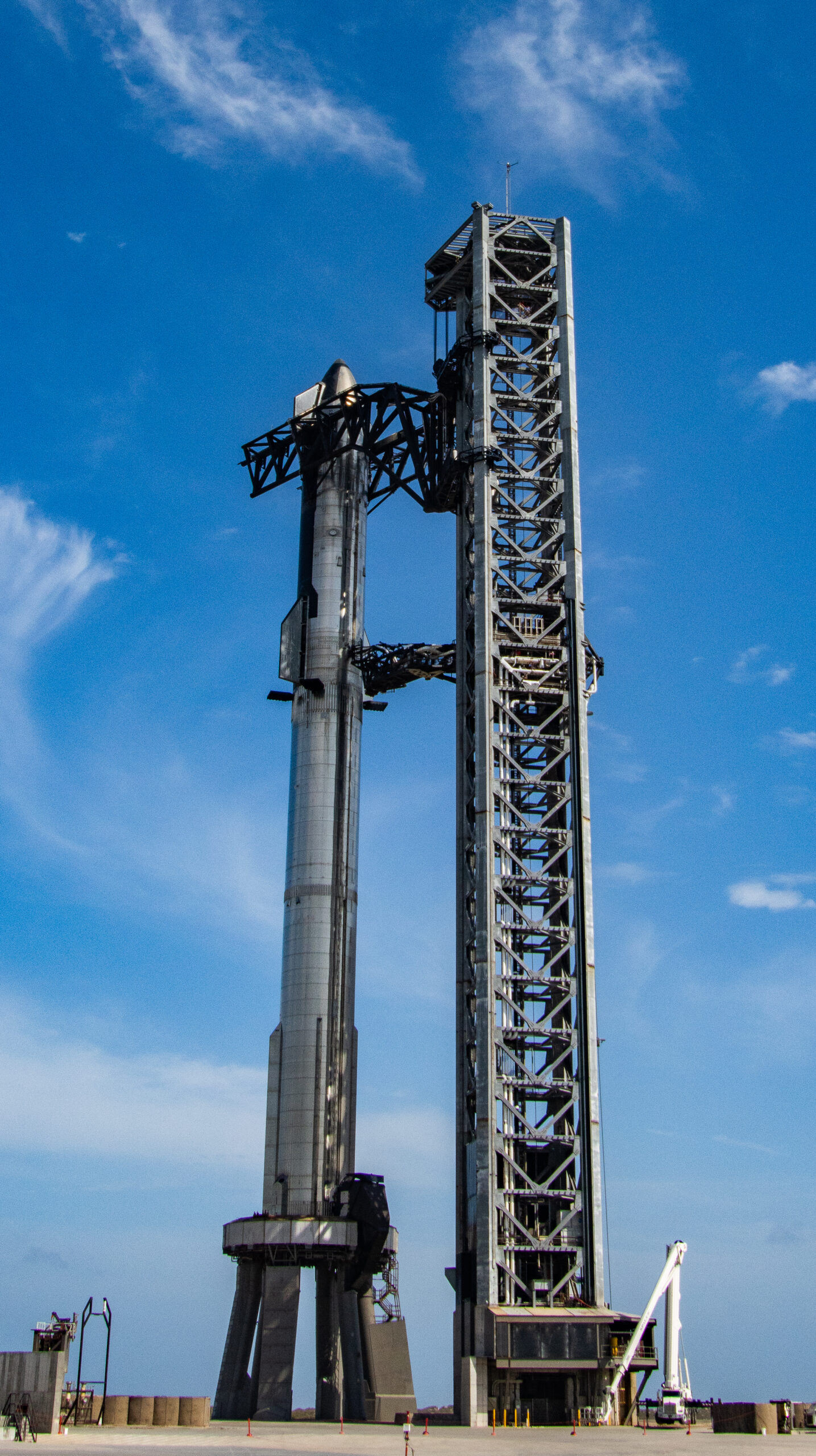
SpaceX Starship orbital flight is a groundbreaking achievement in the realm of space exploration. This milestone demonstrates the potential for future missions and advancements in rocket technology.
Overview of SpaceX’s Starship
SpaceX’s Starship has reached a significant milestone with its first successful orbital flight, demonstrating the company’s commitment to advancing space exploration. This groundbreaking achievement showcases the capabilities of the Starship spacecraft, which is designed for missions to the Moon, Mars, and beyond.
The Starship system consists of two main components: the Starship vehicle itself and the Super Heavy booster. Together, they represent a pivotal step in SpaceX’s vision of creating a fully reusable spacecraft that can carry both crew and cargo to various destinations in our solar system.
Key features of the Starship include:
- Fully reusable design that reduces the cost of access to space.
- Large payload capacity allowing for ambitious missions.
- Advanced life support systems to support human exploration.
The successful orbital flight not only marks a triumph for SpaceX but also paves the way for future endeavors in interplanetary travel and the eventual establishment of a human presence on other planets.
Significance of the Orbital Flight
The recent achievement of the SpaceX Starship orbital flight marks a significant milestone in the realm of aerospace exploration. This successful test not only demonstrates the advanced capabilities of the Starship spacecraft but also sets the stage for future missions that could revolutionize space travel.
One of the primary reasons this orbital flight is so crucial is its potential to:
- Advance Human Exploration: The success of this flight opens new avenues for long-duration missions to destinations such as Mars and beyond.
- Enhance Launch Capabilities: With the ability to carry larger payloads, the spacecraft will enable more ambitious projects, including satellite deployment and interplanetary exploration.
- Lower Costs: SpaceX’s innovations may significantly reduce the costs associated with space travel, making it more accessible to a broader range of organizations.
As the aerospace community watches closely, the SpaceX Starship orbital flight stands as a testament to human ingenuity and ambition in reaching for the stars.
Technical Details of the Launch
The recent SpaceX Starship orbital flight marked a significant advancement in aerospace technology. The launch, which took place from the company’s facility in Texas, showcased several critical technical aspects that contribute to the spacecraft’s pioneering design.
One of the standout features of Starship is its powerful Raptor engines, which are designed to optimize thrust and fuel efficiency. During the flight, all six engines performed exceptionally, demonstrating their ability to propel the spacecraft beyond the Kármán line, the widely recognized boundary of space.
Additionally, the flight incorporated innovative heat shield technology that protects the spacecraft during re-entry. This technology is crucial for ensuring the safety and reusability of Starship in future missions.
Moreover, the launch utilized advanced telemetry systems to monitor performance in real-time, providing engineers with valuable data for future improvements. The successful execution of these technical elements not only reinforces SpaceX’s commitment to innovation but also sets the stage for future interplanetary exploration.
As the aerospace community analyzes the details of the flight, the implications for future missions appear promising.
Future Implications for Space Travel
The successful completion of the SpaceX Starship orbital flight marks a transformative moment for the future of space travel. As this groundbreaking vehicle sets new benchmarks, several implications emerge for both commercial and scientific exploration.
- Commercial Space Travel: The orbital flight opens avenues for private enterprises to engage more deeply in space-related ventures, potentially reducing costs and increasing access.
- Interplanetary Missions: With the Starship’s capabilities, missions to destinations like Mars are becoming more plausible, pushing humanity further into the cosmos.
- Research and Development: The data gathered from the flight will fuel advancements in aerospace technology, enhancing safety and efficiency for future missions.
- International Collaboration: This milestone could foster partnerships between nations, as countries seek to leverage SpaceX’s innovations for their own exploration goals.
As the implications of the SpaceX Starship orbital flight unfold, the potential for reshaping our approach to space exploration remains vast and exciting, marking a new era in humanity’s quest to reach the stars.
Comparisons with Previous Missions
The recent SpaceX Starship orbital flight has drawn comparisons to previous missions that aimed for similar achievements. Notably, the flight stands out for several reasons:
- Historical Context: Previous missions, such as NASA’s Apollo program and the Space Shuttle, laid the groundwork for orbital flights. However, Starship’s design and reusable technology represent a significant leap forward.
- Technological Advancements: Unlike earlier spacecraft, the Starship utilizes state-of-the-art materials and systems, making it more efficient and capable of carrying larger payloads.
- Flight Frequency: Where earlier missions were often singular events, SpaceX aims to conduct regular orbital flights, suggesting a shift towards sustainable access to space.
- Public Engagement: The Starship program has generated unprecedented public interest, with real-time coverage and updates, contrasting with the more closed-off nature of past missions.
These comparisons highlight not only the achievements of SpaceX but also the evolution of space exploration, setting a new benchmark that future missions will strive to surpass.
Expert Opinions on the Achievement
Experts in the aerospace industry have lauded the successful SpaceX Starship orbital flight as a pivotal achievement in the realm of space exploration. Dr. Emily Carter, a prominent aerospace engineer, stated, “This milestone not only showcases SpaceX’s engineering capabilities but also sets a new standard for future missions.”
Many analysts agree that the orbital flight has significant implications for the future of interplanetary travel. Professor Mark Johnson, an astrophysicist, emphasized, “The success of the Starship opens new avenues for crewed missions to Mars and beyond.” He noted that this achievement could lead to more frequent and cost-effective access to space.
Industry experts have also pointed out the importance of the data collected during the mission. Linda Reyes, a space policy expert, remarked, “Every flight gives us invaluable information that will shape the next generation of spacecraft.”
Overall, the SpaceX Starship orbital flight is seen as a major step forward, with experts optimistic about what lies ahead for both SpaceX and the wider aerospace community.
What Comes Next for SpaceX
As SpaceX celebrates the successful completion of its Starship orbital flight, attention now turns to what comes next for the aerospace company. This milestone not only showcases the capabilities of the Starship but also sets the stage for future missions that could revolutionize space travel.
In the coming months, SpaceX plans to focus on:
- Refinement of Technology: Continuous improvements in the Starship design and performance metrics will be essential for upcoming missions.
- Launching Crewed Missions: SpaceX aims to prepare the Starship for carrying astronauts, with safety and reliability as top priorities.
- Increased Cargo Capacity: Enhancing the ability to transport larger payloads will open opportunities for commercial partnerships and scientific research.
- Deep Space Exploration: The company is eyeing missions to the Moon and Mars, furthering humanity’s reach into the cosmos.
With the successful Starship orbital flight, SpaceX is poised to lead the charge in a new era of space exploration, redefining our understanding of what is possible in the final frontier.
The successful launch of the SpaceX Starship orbital flight marks a significant achievement in space exploration. With this milestone, SpaceX demonstrates its capabilities and paves the way for future missions beyond Earth.
By Jenny Hautmann via Openverse
Read the original
Intellectia AI · SpaceX Starship orbital flight tests
Related reading
iPhone 17 Price: Is the Festive Deal Worth It? · AI adoption Middle East: Best proven strategies for growth · Sachin Tendulkar OpenAI partnership: Exciting things ahead!