 Lawrence Gray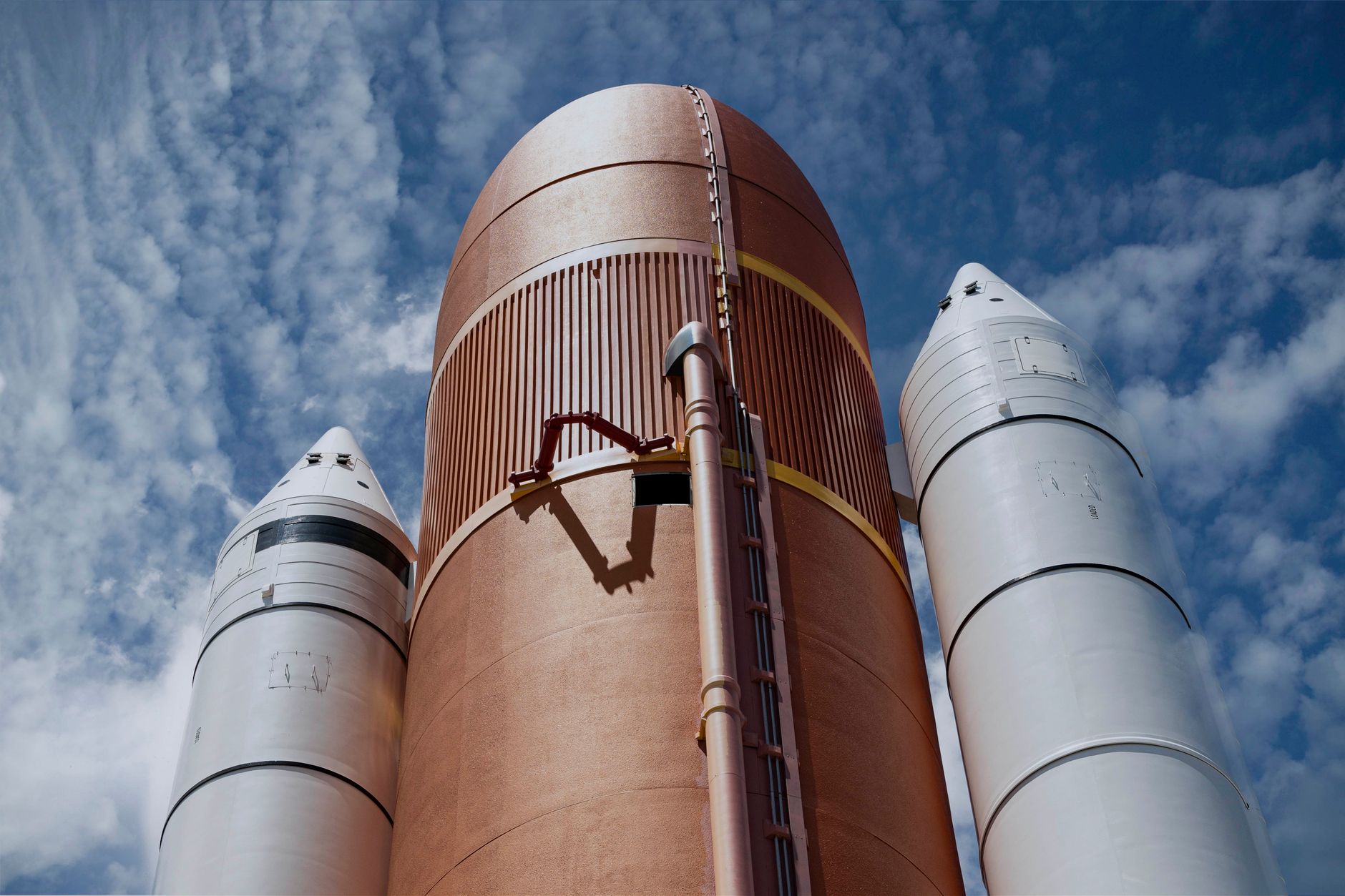
rocket fuel from Mars is a groundbreaking concept that could change the future of space exploration. Recent advancements suggest we might be able to create fuel using the planet’s thin atmosphere.
Understanding Mars’ Atmosphere
The atmosphere of Mars presents unique challenges and opportunities for future exploration and colonization efforts. Comprising primarily of carbon dioxide, the thin Martian air is about 96% CO2, with traces of nitrogen and argon. This composition is pivotal for the potential production of rocket fuel from Mars, as scientists are exploring ways to convert CO2 into usable fuels.
The low atmospheric pressure on Mars, which averages around 0.6% of Earth’s, complicates conventional rocket fuel production techniques. However, recent research suggests that innovative technologies can harness the abundant CO2 and, with the help of water extracted from the soil or ice, create methane and oxygen. These components can serve as propellants for spacecraft returning to Earth or traveling deeper into space.
Understanding the Martian atmosphere is crucial for future missions. Key factors include:
- Composition: The high concentration of carbon dioxide is essential for fuel synthesis.
- Temperature Variations: Extreme temperatures can affect equipment and processes.
- Resource Availability: Identifying water sources is vital for fuel production.
As researchers continue to study these elements, the dream of utilizing rocket fuel from Mars may soon become a reality.
The Science Behind Rocket Fuel
The recent breakthrough in creating rocket fuel from Mars’ atmosphere is rooted in the unique chemical composition of the planet. Mars’ atmosphere is primarily composed of carbon dioxide, which scientists have identified as a critical resource for producing fuel.
At the core of this process is a method known as in-situ resource utilization (ISRU). This technique allows astronauts to convert local materials into necessary resources, reducing the need for long supply missions from Earth. The primary steps involved in generating rocket fuel from Mars include:
- Carbon Dioxide Extraction: Capturing carbon dioxide from the Martian atmosphere.
- Electrolysis: Using electricity to split CO2 into carbon monoxide and oxygen.
- Fuel Synthesis: Combining these elements to create methane and liquid oxygen, the key components of rocket fuel.
This innovative approach not only promises to make long-term human missions to Mars more feasible but also opens the door to sustainable exploration of the solar system. As researchers continue to refine these techniques, the vision of using rocket fuel from Mars could soon transition from theory to reality, paving the way for future interplanetary travel.
Recent Breakthroughs in Space Technology
Recent advancements in space technology have opened new doors for future Mars missions. Researchers have made significant strides in developing systems that could produce rocket fuel from Mars using the planet’s thin atmosphere. This breakthrough has the potential to revolutionize space exploration, making long-duration missions more feasible.
One of the most promising technologies involves the extraction of carbon dioxide from Mars’ atmosphere. This CO2 can be converted into methane and oxygen, which are crucial components for rocket fuel. The process not only provides a sustainable fuel source but also reduces the amount of material that needs to be transported from Earth.
Key developments include:
- Advanced Catalysts: New materials that enhance the efficiency of CO2 conversion processes.
- Miniaturized Systems: Compact technologies that can operate in the harsh Martian environment.
- In-situ Resource Utilization: Techniques that utilize local resources, minimizing reliance on Earth-supplied materials.
As these technologies mature, the prospect of creating rocket fuel from Mars is becoming increasingly viable, paving the way for deeper space exploration and the possibility of human colonization of the Red Planet.
Challenges of Fuel Production on Mars
The production of rocket fuel from Mars presents a series of challenges that must be addressed before it can become a viable option for future missions. First and foremost, the thin atmosphere on Mars consists mainly of carbon dioxide, which is essential for creating fuel, but the **low pressure** makes extraction and conversion processes more difficult.
Another significant challenge is the availability of resources. While carbon dioxide is abundant, other necessary components, such as water, are scarce in many regions of the planet. The extraction of water from the Martian soil or ice deposits will require advanced technology and energy, potentially complicating the fuel production process.
Additionally, the harsh environmental conditions on Mars pose risks to equipment and operations. Dust storms and extreme temperatures can hinder machinery performance and affect the efficiency of fuel production efforts. Researchers must develop robust systems capable of operating under these conditions.
- Technical limitations: Current technologies may not be fully equipped for large-scale production.
- Cost implications: The investment required for development and deployment could be substantial.
- Logistical hurdles: Transporting equipment to Mars entails significant challenges.
Despite these obstacles, the potential to create rocket fuel from Mars could revolutionize our approach to space exploration.
Potential Impact on Space Missions
The development of rocket fuel from Mars has the potential to revolutionize future space missions. With the ability to produce fuel directly from the Martian atmosphere, missions could dramatically reduce the amount of supplies needed for round trips to the Red Planet. This innovation could pave the way for longer, more sustainable exploration of Mars and beyond.
One significant impact of this technology is the enhancement of crewed missions. Astronauts could refuel their spacecraft on Mars, allowing for extended stays and the ability to conduct more extensive scientific research. Additionally, this capability could facilitate deeper space exploration, as missions could include stops at multiple destinations without the need to carry all the necessary fuel from Earth.
Moreover, the production of rocket fuel on Mars could lead to substantial cost savings. By eliminating the need to transport vast quantities of fuel from Earth, space agencies could allocate their resources more effectively, focusing on research and development. The environmental implications are also noteworthy; utilizing Martian resources reduces the carbon footprint associated with traditional fuel production methods.
As research continues, the impact of producing rocket fuel from Mars could reshape our approach to space travel and exploration for generations to come.
How This Could Change Space Exploration
The development of rocket fuel from Mars could revolutionize space exploration in unprecedented ways. By utilizing the planet’s resources, missions could become more sustainable and efficient, significantly reducing the need to transport fuel from Earth. This innovation would enable longer missions and deeper space exploration, fostering a new era of interplanetary travel.
With the ability to produce rocket fuel directly on Mars, astronauts could establish a more permanent presence on the Red Planet. This would facilitate extensive scientific research and pave the way for potential colonization efforts. The implications are vast, offering opportunities to explore not just Mars, but also the moons of Jupiter and Saturn, and beyond.
Moreover, the potential for in-situ resource utilization (ISRU) means that future missions could focus on exploration rather than logistics. The technology for creating rocket fuel from Mars could also lead to advancements in energy production and resource management, enhancing the overall viability of human settlements on other planets.
- Increased mission durations
- Reduced costs of interplanetary travel
- Greater scientific discoveries
- Opportunities for terraforming and colonization
Ultimately, the ability to produce rocket fuel from Mars could mark a significant leap forward in humanity’s quest to explore the cosmos.
Expert Opinions on the Findings
Experts in the field of aerospace engineering and planetary science have weighed in on the recent breakthrough related to rocket fuel from Mars, expressing a mix of optimism and caution. Dr. Emily Carter, a leading researcher at the Space Exploration Institute, emphasized the potential for this technology to revolutionize future missions. “The ability to produce rocket fuel from Mars’ atmosphere could significantly reduce the costs and risks associated with deep space exploration,” she stated.
Conversely, Dr. Samuel Greene, an astrobiologist, raised concerns about the feasibility of large-scale production. “While the science is promising, we must consider the practical challenges of extracting and converting atmospheric components into usable fuel,” he noted. He stressed the importance of thorough testing to ensure the technology works reliably in the harsh Martian environment.
Additionally, Dr. Lisa Tran, a propulsion expert, highlighted the environmental implications. “We need to ensure that our efforts to generate rocket fuel do not inadvertently harm the Martian environment,” she warned. This sentiment echoed among other experts, who called for a balanced approach that considers both scientific advancement and planetary protection.
As research continues, the debate on the viability and ethics of producing rocket fuel from Mars remains a crucial topic among scientists and space enthusiasts alike.
Future Prospects for Mars Missions
The future prospects for Mars missions are becoming increasingly promising as scientists explore the potential of producing rocket fuel from Mars. This innovation could fundamentally alter the dynamics of space exploration, making long-duration missions more feasible and cost-effective.
One of the key advantages of generating rocket fuel on Mars is the reduction in the need to transport fuel from Earth, which significantly lowers mission costs and logistical challenges. By using available resources such as carbon dioxide from the Martian atmosphere, researchers are developing systems that can convert these elements into usable fuel.
In addition to enhancing manned missions to Mars, this technology could also support deeper space exploration. With the ability to refuel spacecraft on Mars, missions to the outer planets or even crewed expeditions to asteroids become more viable.
Furthermore, the establishment of a sustainable fuel production system on Mars could pave the way for a permanent human presence on the planet. This would not only facilitate ongoing research but also enable future colonization efforts.
As these developments continue, the space community remains optimistic about the possibilities that rocket fuel from Mars may unlock, potentially ushering in a new era of exploration in our solar system.
Photo by john mckenna on Pexels